How to Reduce Food Cravings and Food Noise (Without Relying on Willpower)

What Is Food Noise — and Why Can't You Stop Thinking About Food?
Food cravings are intense, urgent desires for specific foods — usually high-sugar, high-fat, or ultra-processed options — that feel impossible to ignore. They are different from hunger. Hunger is your body asking for energy. Cravings are your brain demanding a dopamine hit.
"Food noise" is the term for the constant mental chatter that surrounds these cravings: the endless internal debate about what to eat, whether you should eat, and the guilt that follows when you give in. If your head is always loud with food thoughts, you are not weak. Your meals are simply not giving your brain the signals it needs to be quiet.
The real question is not "how do I resist cravings?" It is "how do I stop generating them in the first place?"
You Can Fix This With Willpower — But Data Makes It Automatic
Search for "how to stop food cravings" and you will find the same recycled advice: drink water, chew gum, distract yourself, go for a walk. These tips are not wrong — they are just incomplete. They treat cravings as a behaviour problem when they are actually a biochemistry problem.
Relying on willpower alone is a weak plan. Cravings tend to be strongest when you are tired, stressed, or have gone a long time without a filling meal — which is why so many people do fine all day and then struggle in the evening. The more reliable fix is to change the meals and the environment that keep producing the cravings.
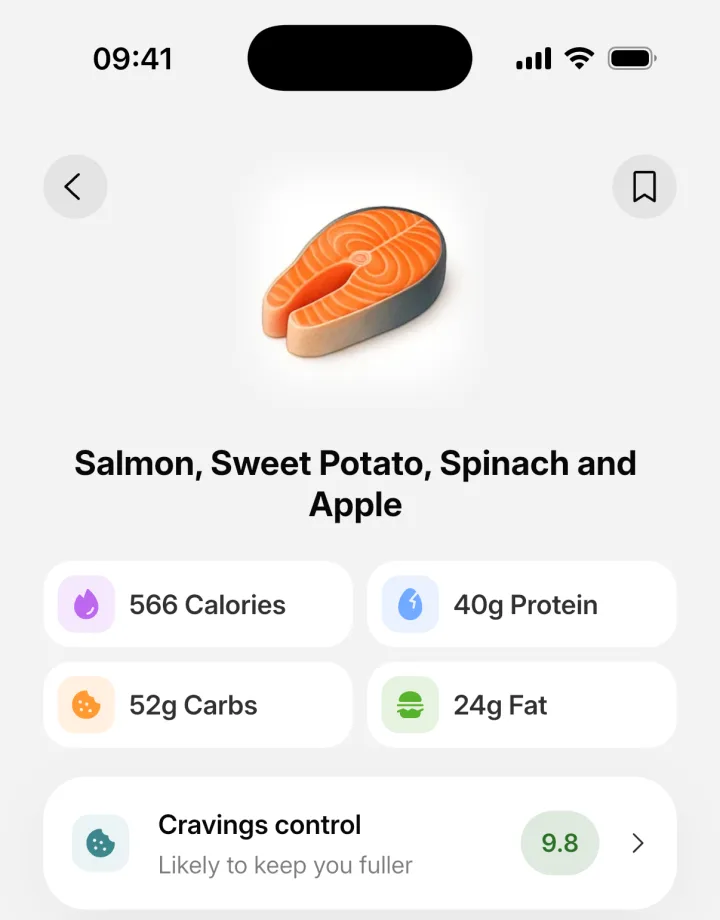
Tools like IntakeAI take most of the guesswork out. Every meal you log gets a Cravings control score from 0 to 10 — a transparent formula built from protein, fiber, processing level, calorie density, satiety nutrients, and hyper-palatability. Instead of guessing why you are craving chocolate at 9pm, you can look back at your lunch and see it scored a 3. You don't need more discipline. You need data.
Here is the science behind why cravings happen and what actually works to stop them.
The Science Behind Cravings: Why Your Brain Won't Shut Up About Food
Understanding the root cause is the first step to fixing it. There are four neurochemical drivers behind most food cravings:
1. Dopamine hijacking
Ultra-processed foods are engineered to be highly rewarding, and they are easy to eat quickly. In a tightly controlled NIH inpatient trial, 20 adults ate about 500 more calories per day on an ultra-processed diet than on an unprocessed diet, even though meals were matched for calories, sugar, fat, fiber and macronutrients presented. This is not a question of moderation. It is a question of awareness. When you can see how processed a meal is — and how it correlates with your cravings hours later — you start making different choices naturally.
2. Blood sugar instability
High-glycaemic meals cause a rapid spike and crash in blood sugar. The crash triggers a hormonal cascade (including ghrelin and cortisol) that creates urgent hunger and cravings, usually for fast-acting sugar. Pairing carbohydrates with protein, fat, and fiber dramatically flattens the blood sugar curve. A bowl of plain rice spikes your blood sugar. Rice with chicken, vegetables, and olive oil produces a slow, steady rise. Same calories — completely different craving response.
3. Low satiety signalling
Meals that are low in protein, fiber, and micronutrients fail to trigger adequate satiety hormones (GLP-1, PYY, CCK). Your brain literally never receives the "I'm full" signal. In a 12-week trial of 27 men with overweight or obesity on a calorie deficit, those eating 25% of calories from protein (vs 14%) reported about half the late-night desire to eat and less preoccupation with thoughts of food. Most people think they eat enough protein but have never actually measured it.
4. Habit loops
Your brain associates certain cues — time of day, emotions, locations — with eating. These loops run on autopilot and feel like cravings, even when there is no physiological need for food. Trying to suppress a habit loop is exhausting. It is far more effective to replace the reward with a high-protein, high-fiber alternative that gives genuine satiety — and then track whether the craving returns.
This is why generic advice like "just drink water" doesn't work long-term. You cannot outrun bad neurochemistry with good intentions. You need to change what goes into your body so your brain chemistry changes in response.
Track calories & nutrients fast


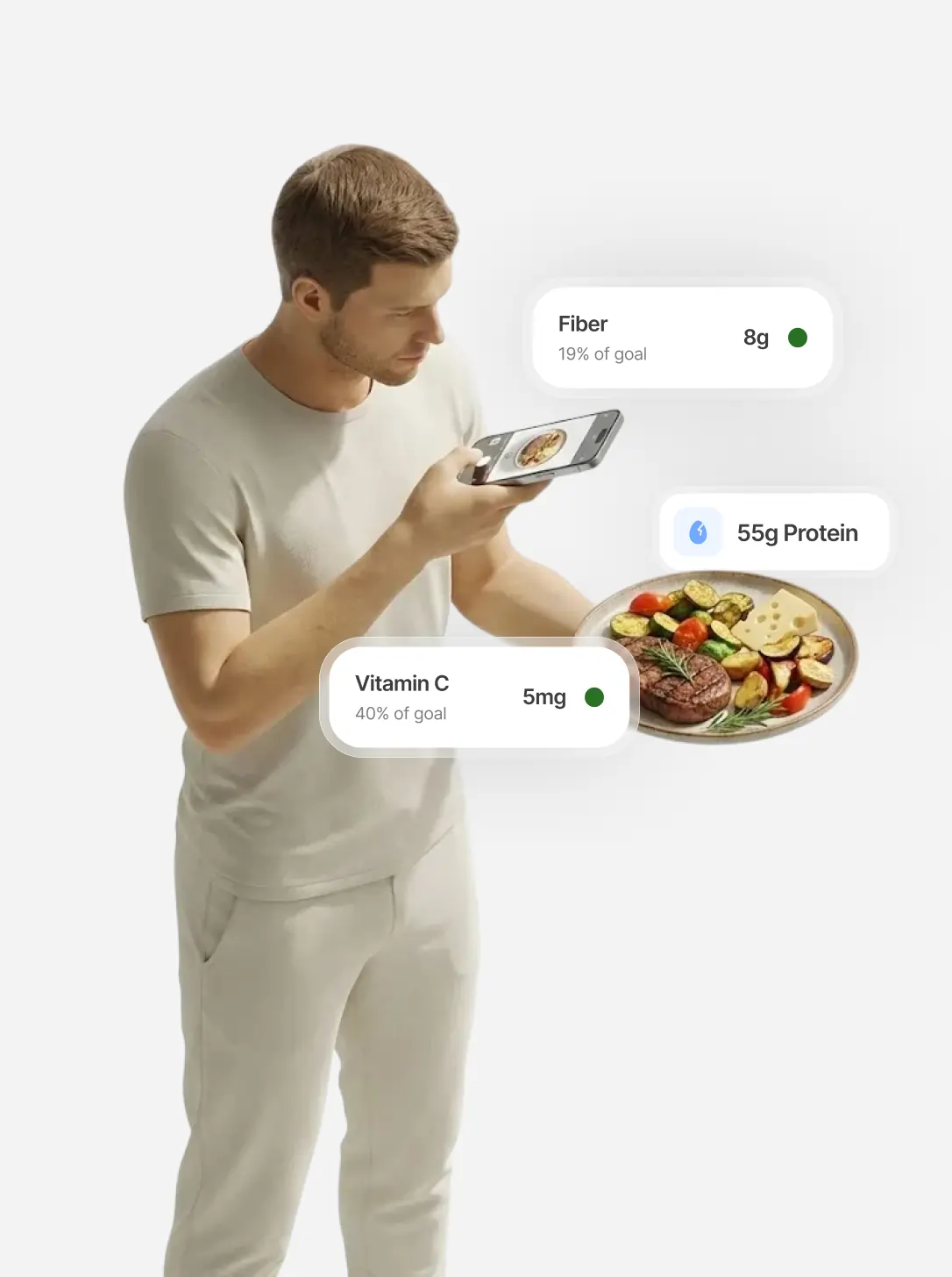
The Manual Way vs. The App Way
Every strategy above requires one thing: knowing what you actually eat. There are two ways to get there.
The manual way
- Write down every meal in a notebook
- Look up protein, fiber, and calorie values manually
- Try to estimate how "processed" something is
- Keep a separate craving journal and cross-reference it with your food log
- Hope you remember to do all of this at every meal
This works in theory. In practice, most people abandon it within a week because the friction is too high.
Or click one button in IntakeAI
- Take a photo of your meal (or scan a barcode, or type a description) — AI identifies the food, estimates the nutrition, and calculates your Cravings control score (0–10) in seconds
- The score factors in protein, fiber, satiety nutrient density, processing level, calorie density, and hyper-palatability
- Over time, you see exactly which meals keep cravings low and which ones make food noise worse
- No notebook. No manual lookups. One tap.
A score of 7 or higher is labelled "likely to keep you fuller". A score below 4 is labelled "likely to trigger cravings". Each meal also comes with two suggestions to make it more filling. After a week or two, compare the scores with when your cravings actually hit — that is where the patterns show up.
You don't need more discipline. You need feedback that takes seconds to get.
Your Complete Guide to Beating Cravings
This guide is your starting point. Dive deeper into the specific topics below to build a complete strategy for silencing food noise for good.

How to Stop Thinking About Food All the Time
Constant food thoughts are not a sign of weakness — they are a signal that your meals are not hitting key satiety markers. Learn the neuroscience behind "food noise" and the specific meal adjustments that quiet your brain.
READ MORE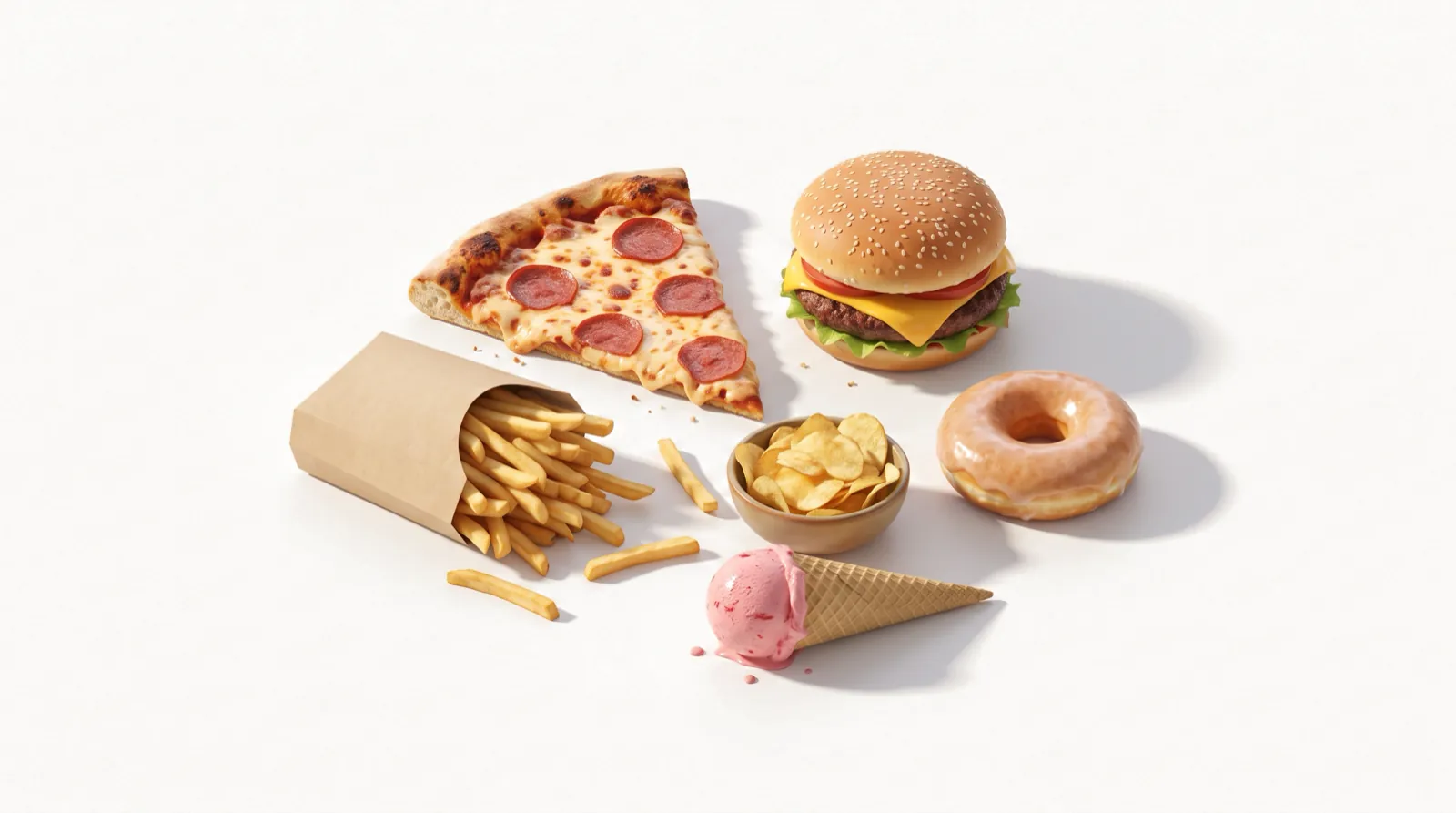
Why You Always Crave Junk Food (and What to Do About It)
Ultra-processed foods are designed to create cravings. Discover how the "bliss point" formula hijacks your dopamine system and what to eat instead to break the cycle.
READ MORE
Science-Backed Ways to Reduce Food Cravings
A deep dive into the peer-reviewed research on craving reduction — from protein leverage to gut microbiome optimisation — and how to apply it to your daily meals.
READ MORE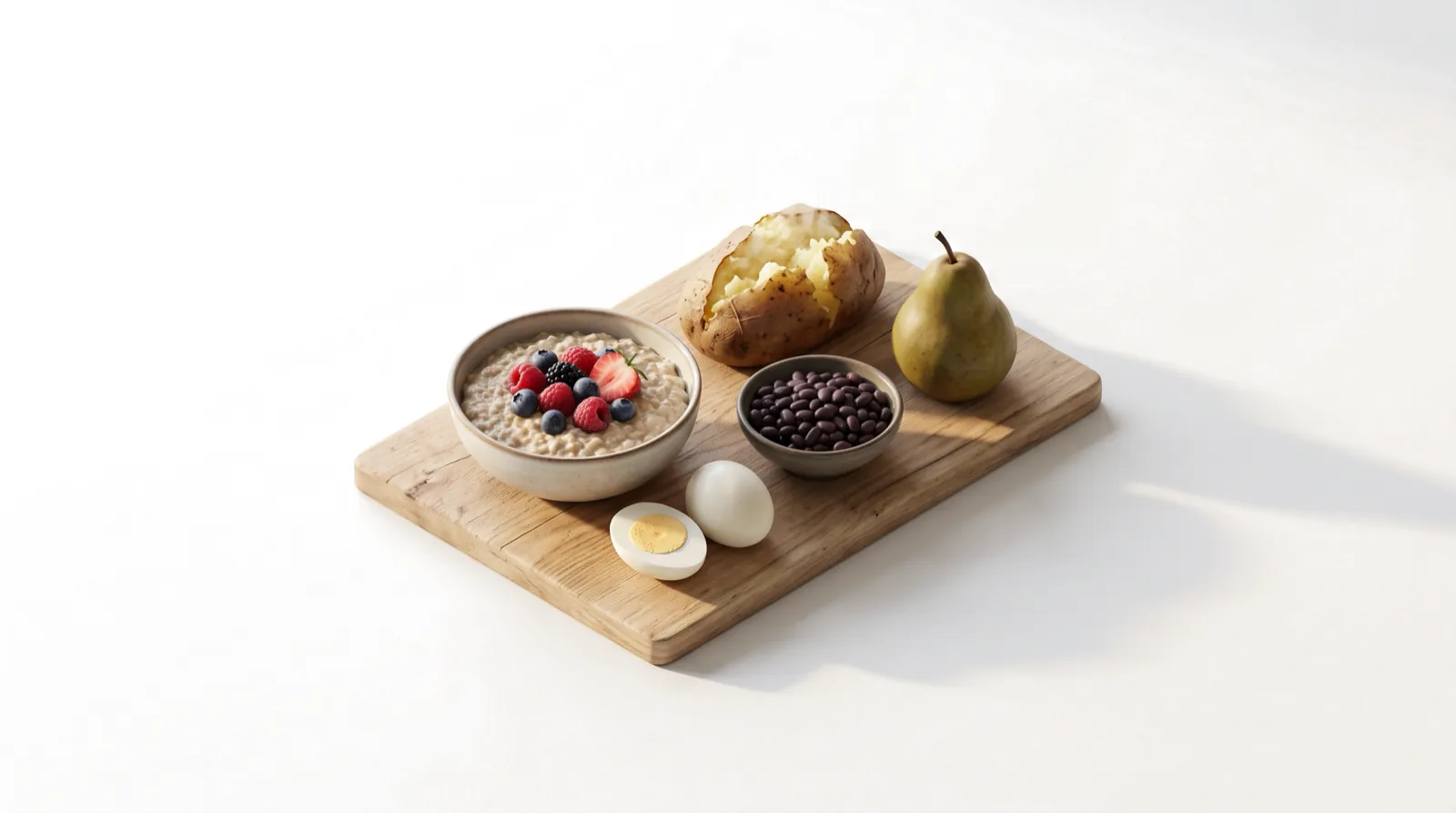
Foods That Reduce Cravings and Keep You Full Longer
Not all calories are equal when it comes to satiety. Explore the specific foods — categorised by protein, fiber, and nutrient density — that consistently score highest for craving control.
READ MORE
How to Control Cravings Without Willpower
Willpower is a finite resource that depletes throughout the day. Learn the environmental design and meal-timing strategies that eliminate the need for willpower entirely.
READ MORE
Cravings vs Hunger: How to Tell the Difference
True hunger and cravings feel similar but have completely different origins. Learn the five-point checklist to distinguish between them — and how tracking makes the pattern obvious.
READ MORE
How to Manage Cravings When Dieting (and Stay in a Deficit)
Calorie deficits increase hunger hormones — but the right food choices can counteract this effect. Discover how to structure your meals so that cravings stay low even while losing weight.
READ MORE
Best Way to Track Food Cravings and Learn Your Triggers
Everyone has unique craving triggers — time of day, sleep quality, specific meals. Learn how to build a craving-tracking system that reveals your personal patterns and helps you break them.
READ MOREFrequently asked questions
What is food noise and why can't I stop thinking about food?
Food noise is the constant, intrusive mental chatter about what to eat, when to eat, and whether you should eat something. It is usually made louder by meals low in protein and fiber, heavily processed foods, strict dieting, poor sleep, and habits tied to times, places or emotions. It is not a character flaw. For most people it eases when meals are more filling and eating is less restrictive; if food thoughts feel obsessive or distressing, speak to a doctor or dietitian.
Can you reduce cravings without willpower?
Yes. Cravings are strongly shaped by what and how you eat, not just by discipline. Eating enough protein and fiber, choosing fewer ultra-processed foods, avoiding long gaps and severe restriction, and changing your food environment all reduce how often cravings show up. Tools like IntakeAI's Cravings control score estimate how filling each meal is likely to be, so you can see which meals tend to hold you and which do not.
What is the Cravings Control Score?
The Cravings control score is a 0–10 estimate that IntakeAI gives every meal you log. It is a weighted formula of six factors: protein, fiber, calorie density, hyper-palatability, satiety nutrients (potassium, magnesium, calcium, zinc, iron and B12) and degree of processing. Scores of 7 or higher are labelled likely to keep you fuller; scores below 4 are labelled likely to trigger cravings. It is a guide, not a guarantee.
Stop Fighting Cravings. Start Understanding Them.
Download IntakeAI and get your Cravings Control Score for every meal. Photo, barcode, or text — it takes seconds. See which meals keep you full and which ones make food noise worse.
Sources
- Leidy HJ et al. (2011). The effects of consuming frequent, higher protein meals on appetite and satiety during weight loss in overweight/obese men. Obesity, 19(4):818–24. PubMed
- Hall KD et al. (2019). Ultra-processed diets cause excess calorie intake and weight gain: an inpatient randomized controlled trial of ad libitum food intake. Cell Metabolism, 30(1):67–77. PubMed
- Weigle DS et al. (2005). A high-protein diet induces sustained reductions in appetite, ad libitum caloric intake, and body weight. American Journal of Clinical Nutrition, 82(1):41–8. PubMed
This article is for general education and is not medical advice. If you have a medical condition, an eating disorder, are pregnant, or take medication, speak to a doctor or registered dietitian before changing your diet. IntakeAI's nutrition figures and scores are estimates to guide your choices.