Science-Backed Ways to Reduce Food Cravings

What are science-backed ways to reduce food cravings?
The best-supported ways to reduce food cravings are eating more protein (raising it from 15% to 30% of calories cut intake by 441 kcal a day in one trial), eating fewer ultra-processed foods, eating craved foods less often, and sleeping enough; brisk walks and visual distraction help in the moment. Below are nine strategies, each with the study behind it, who was studied and how strong the evidence is. Some are backed by controlled trials; others rest on small lab experiments, and we say so.
Key takeaways
- Protein has the most consistent evidence: in a 12-week study of 19 adults, a 30% protein diet reduced spontaneous intake by 441 kcal a day and weight by 4.9 kg.
- In an NIH trial, the same 20 adults ate about 508 kcal a day more on an ultra-processed diet than on an unprocessed one.
- Eating craved foods less often, not just in smaller amounts, was linked to fewer cravings over two years in 367 dieters.
- A 15-minute brisk walk and playing a visual game like Tetris both reduced cravings in short lab studies, useful as in-the-moment tools.
- Fiber's acute effect on appetite is weaker than often claimed: most fiber treatments in a systematic review did not reduce food intake.
How we rated the evidence
We used three plain labels. Stronger: randomized or tightly controlled human trials with consistent results. Moderate: good-quality human studies with some limitation, such as small size, short duration or an observational design. Preliminary: small, short lab studies that point in a promising direction but have not been tested at scale. None of these strategies has been shown to eliminate cravings; they make them less frequent or less intense.
| Strategy | Key study | Main finding | Evidence |
|---|---|---|---|
| 1. More protein | Weigle 2005, 19 adults, 16 weeks | −441 kcal/day spontaneous intake | Moderate to stronger |
| 2. Fewer ultra-processed foods | Hall 2019, 20 adults, 4 weeks inpatient | +508 kcal/day on ultra-processed diet | Stronger |
| 3. Eat craved foods less often | Apolzan 2017, 367 adults, 2 years | Less frequent eating linked to fewer cravings | Moderate |
| 4. Sleep enough | Spiegel 2004, 12 men, 2 nights | Hunger +24% after short sleep | Moderate |
| 5. Don't skip breakfast | Hoertel 2014, 20 young women, 6 days | Fewer sweet and savory cravings vs skipping | Preliminary |
| 6. Brisk 15-minute walk | Oh & Taylor 2013, 58 women | Chocolate craving lower than after rest | Preliminary |
| 7. Visual distraction | Skorka-Brown 2014, lab study | Tetris lowered craving strength and vividness | Preliminary |
| 8. Specific fibers | Clark & Slavin 2013, 44 studies | 22% of fiber treatments reduced intake | Mixed |
| 9. Notice your patterns | No direct craving trial | Helps you apply 1–8 to your own triggers | Practical |
9 strategies, with the research behind each
-
Eat more protein
In a study in the American Journal of Clinical Nutrition, 19 adults moved from a 15% protein diet to a 30% protein diet with the same carb share. When they could then eat freely for 12 weeks, they ate 441 kcal a day less and lost 4.9 kg on average, mostly fat. A separate 12-week trial in 27 dieting men found that a 25% protein diet, compared with 14%, gave more fullness through the day and lower late-night desire to eat, though daily hunger was similar. How to apply it: include a protein food at every meal rather than loading it all at dinner. Evidence: moderate to stronger. The direction is consistent, but both studies were small and Weigle's was not randomized.
-
Eat fewer ultra-processed foods
The NIH inpatient trial gave 20 adults two weeks each of ultra-processed and unprocessed diets, with meals matched for calories, sugar, fat, fiber, sodium and protein on offer. They ate about 508 kcal a day more on the ultra-processed diet and gained 0.9 kg. Evidence: stronger for the effect on intake, from one well-controlled trial; it did not measure cravings directly. See the section below on why these foods drive you to eat more.
-
Eat the foods you crave less often
In the POUNDS Lost study, cravings for specific foods fell when people ate those foods less frequently over six and 24 months. Eating smaller amounts without reducing frequency was not linked to fewer cravings. How to apply it: rather than a little chocolate every day, have a normal portion less often. Evidence: moderate, a large, long study, but the craving analysis was observational.
-
Protect your sleep
In a randomized crossover study of 12 healthy young men, two nights of restricted sleep lowered leptin by 18%, raised ghrelin by 28% and increased hunger by 24%, with appetite for calorie-dense, high-carbohydrate foods up 33–45%. Evidence: moderate; the finding is consistent with other sleep research, but this study was very small and only included men.
-
Eat breakfast if skipping it leaves you craving
A pilot crossover study of 20 young women who usually skipped breakfast found that a 350 kcal breakfast reduced post-meal sweet and savory cravings compared with skipping. The 35 g protein version tended to do better for savory cravings, but not significantly. Evidence: preliminary; this is not a reason to force breakfast if you are not hungry in the morning and don't crave later.
-
Take a brisk 15-minute walk when a craving hits
In a study of 58 women who regularly ate chocolate, 15 minutes of brisk walking lowered chocolate cravings compared with resting, at every check up to 10 minutes afterwards, regardless of body weight. Evidence: preliminary; the effect is short-term, which is exactly what you need in the moment.
-
Give your eyes something else to do
Cravings often come with vivid mental images of the food. A lab study from the University of Plymouth found that people who played Tetris while craving reported lower craving strength and less vivid craving imagery than people who waited for a program that never loaded. Evidence: preliminary. Any absorbing visual task, such as a puzzle game, may work similarly.
-
Choose fibers that have actually been tested
Fiber is often presented as a craving cure. A systematic review of 44 publications found that only 39% of fiber treatments reduced appetite ratings and 22% reduced food intake in the short term. Oat beta-glucan, rye bran, whole grain rye and mixed high-fiber diets had support in more than one study. Evidence: mixed. Fiber still helps make meals bulkier and is linked with lower body weight over time, but do not expect a fiber supplement to stop a craving.
-
Notice your own patterns
There is no trial showing that logging stops cravings, but strategies 1–7 only help if you know which apply to you. Writing down when cravings hit, and what you ate and how you slept before, usually reveals a pattern within a week or two. Our guide to tracking cravings and learning your triggers walks through it. Evidence: practical, not tested.
Track calories & nutrients fast


Why does ultra-processed food make you crave more?
Three findings help explain it. First, in the Hall trial, people ate more on the ultra-processed diet even though meals were matched for nutrients on offer, which suggests the form of the food matters, not just its label. Second, a brain-imaging study in Cell Metabolism found people valued foods combining fat and carbohydrate more than equally liked and equally caloric foods that were mostly fat or mostly carbohydrate, with stronger responses in reward areas of the brain. Many ultra-processed snacks are exactly that combination. Third, the craving-frequency data from POUNDS Lost suggest that eating these foods often keeps the craving habit strong.
None of this means a single bag of chips sets off an addiction. Claims that sugar is "as addictive as cocaine" go well beyond the human evidence. The practical point is simpler: meals built mostly from minimally processed foods tend to be more filling per calorie and less likely to leave you hunting for a snack. Our article on why you always crave junk food covers the nutrient combinations in more detail.
What we left out, and why
We did not include "build your willpower" tips, because the research on willpower as a limited resource that runs out is mixed. We also left out supplements and detox products, which are outside the scope of this guide. If you want approaches that work by changing your environment instead of relying on self-control, see how to control cravings without willpower.
How to apply this to your own meals
The manual approach is straightforward. For each meal, check three things: is there a real protein source (roughly 25 g or more), is it mostly minimally processed food, and does it include vegetables, fruit, legumes or whole grains? Use package labels or USDA FoodData Central to check protein. Plan one or two treats a week instead of small daily ones, and keep a walk or a quick game as your in-the-moment fallback. Our list of foods that reduce cravings and keep you full gives you specific options.
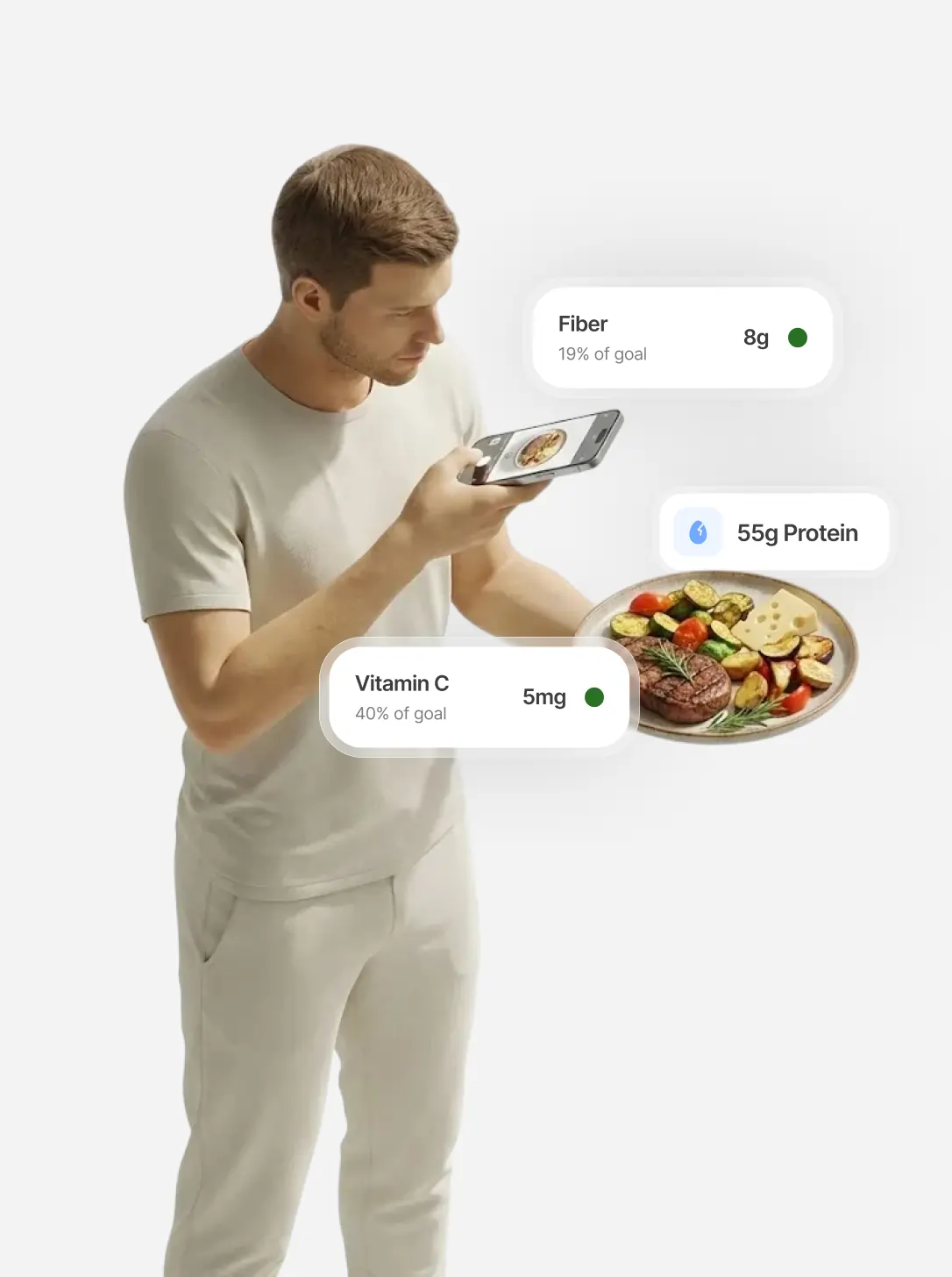
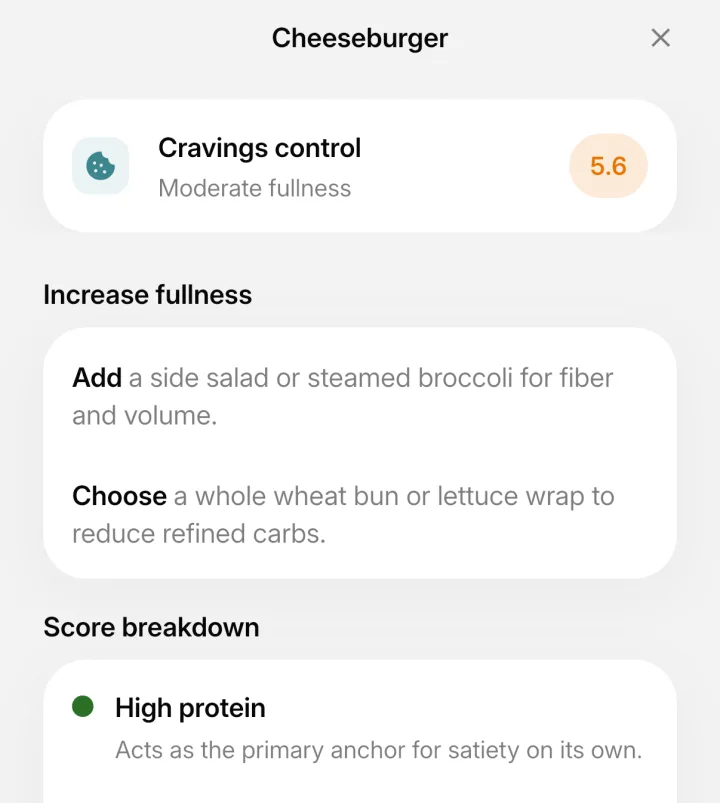
If you find the checking tedious, IntakeAI can take over the lookup step. It is a nutrition tracking app for iPhone and Android that estimates calories, macros and 50+ nutrients from a meal photo, barcode or typed description, and you can edit portions when an estimate is off. Its 0–10 "Cravings control" score is a transparent formula that weights several of the factors above, including protein, fiber, calorie density and processing level. Use it as a guide for comparing meals rather than as a guarantee.
For the full picture of how cravings and food noise work, read our main guide to reducing food cravings and food noise.
Frequently asked questions
What is the most effective way to reduce food cravings?
Eating more protein has the most consistent evidence. In one trial, raising protein from 15% to 30% of calories reduced spontaneous intake by 441 kcal a day. Cutting back on ultra-processed foods, eating craved foods less often and getting enough sleep are also well supported.
Why does ultra-processed food make you crave more?
In an NIH trial, people ate about 508 kcal a day more on an ultra-processed diet than an unprocessed one with matched nutrients on offer. Many ultra-processed foods combine fat and carbohydrate, which brain-imaging research suggests is rewarded more than either alone, and eating craved foods often is linked to stronger cravings.
Does exercise reduce food cravings?
Short bouts can. In a study of 58 women who regularly ate chocolate, a 15-minute brisk walk reduced chocolate cravings compared with resting. The effect is short-term, so it works best as an in-the-moment tool.
Does fiber stop cravings?
Less than often claimed. A systematic review found that only 22% of fiber treatments reduced food intake in the short term, although oat beta-glucan and rye had more consistent support. Fiber still makes meals more filling and is linked with lower body weight over time.
Related guides

How to Reduce Food Cravings and Food Noise
The main guide to why cravings happen and how your meals can quiet them.
READ MORE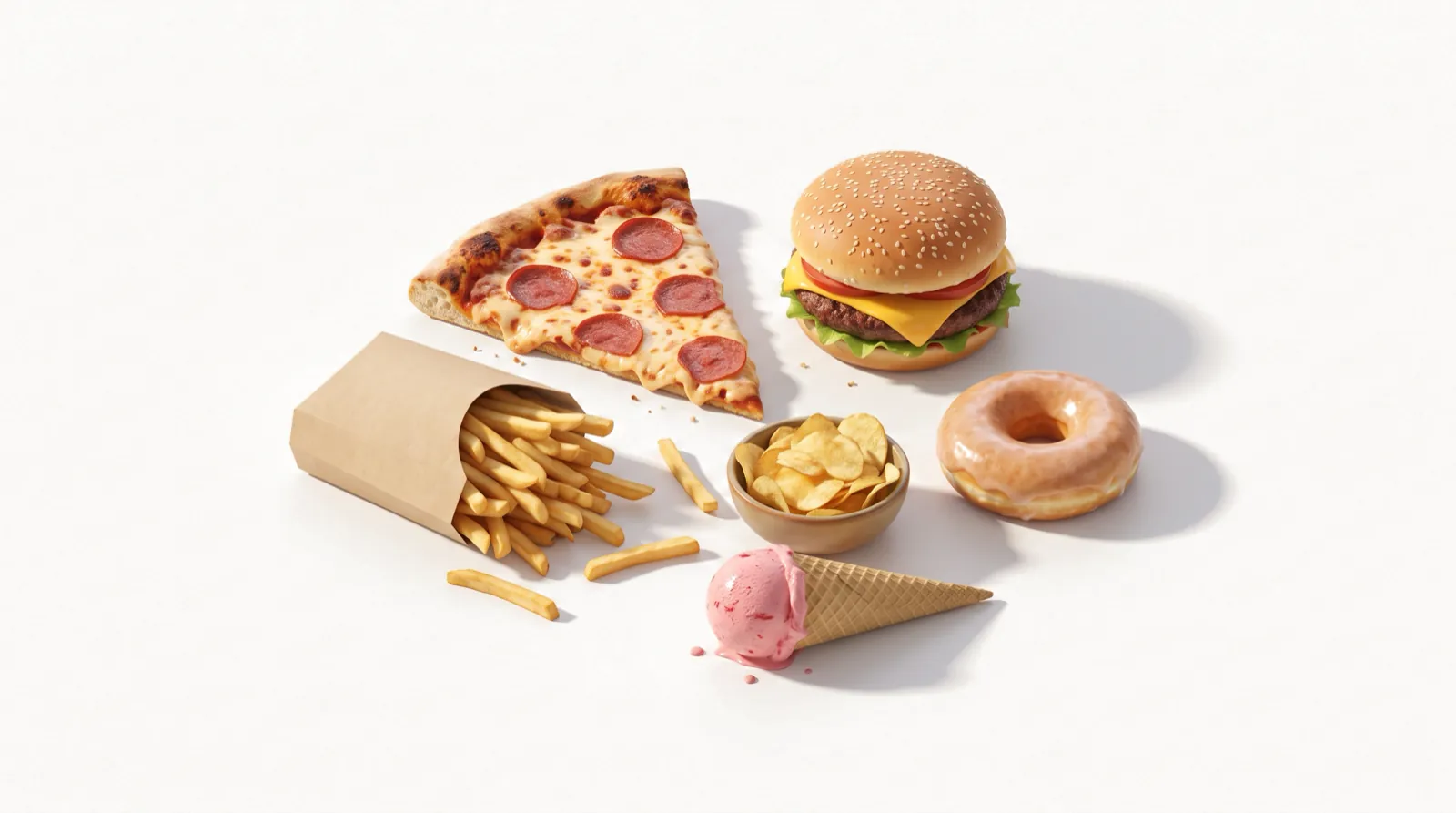
Why You Always Crave Junk Food (and What to Do About It)
The nutrient combinations, sleep and stress effects behind junk food cravings.
READ MORE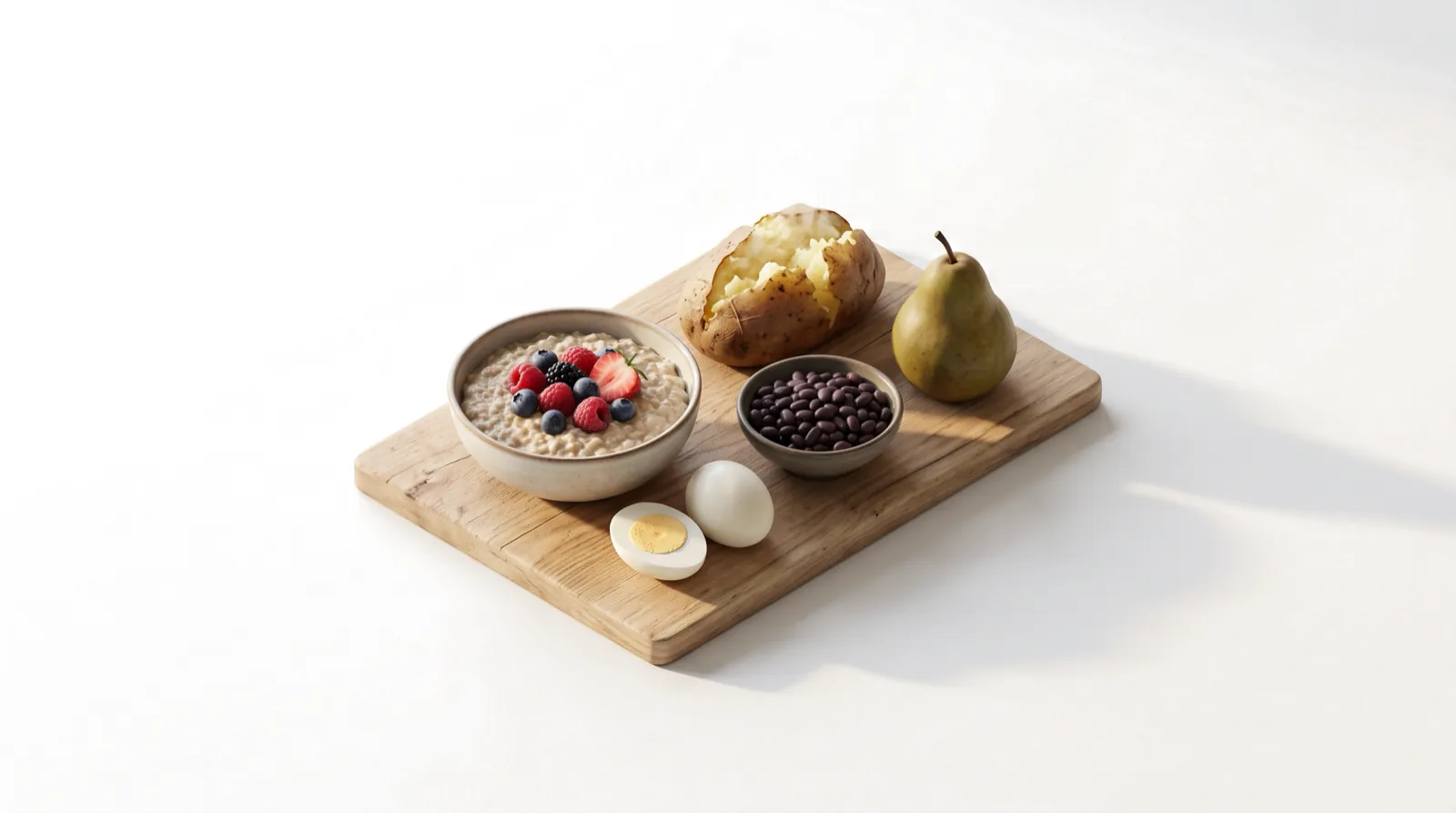
Foods That Reduce Cravings and Keep You Full Longer
Protein, fiber and calories per serving for foods that keep you satisfied.
READ MOREPut the research into your next meal
Snap a photo, scan a barcode or describe your meal, and IntakeAI estimates protein, fiber, calories and 50+ nutrients, with a Cravings control score to compare meals.
Sources
- Weigle DS et al. (2005). A high-protein diet induces sustained reductions in appetite, ad libitum caloric intake, and body weight despite compensatory changes in diurnal plasma leptin and ghrelin concentrations. American Journal of Clinical Nutrition, 82(1):41–8. PubMed
- Leidy HJ et al. (2011). The effects of consuming frequent, higher protein meals on appetite and satiety during weight loss in overweight/obese men. Obesity, 19(4):818–24. PubMed
- Hall KD et al. (2019). Ultra-processed diets cause excess calorie intake and weight gain: an inpatient randomized controlled trial of ad libitum food intake. Cell Metabolism, 30(1):67–77. PubMed
- Apolzan JW et al. (2017). Frequency of consuming foods predicts changes in cravings for those foods during weight loss: the POUNDS Lost study. Obesity, 25(8):1343–8. PubMed
- Spiegel K et al. (2004). Sleep curtailment in healthy young men is associated with decreased leptin levels, elevated ghrelin levels, and increased hunger and appetite. Annals of Internal Medicine, 141(11):846–50. PubMed
- Hoertel HA, Will MJ, Leidy HJ (2014). A randomized crossover, pilot study examining the effects of a normal protein vs. high protein breakfast on food cravings and reward signals in overweight/obese "breakfast skipping", late-adolescent girls. Nutrition Journal, 13:80. PubMed
- Oh H, Taylor AH (2013). A brisk walk, compared with being sedentary, reduces attentional bias and chocolate cravings among regular chocolate eaters with different body mass. Appetite, 71:144–9. PubMed
- Skorka-Brown J, Andrade J, May J (2014). Playing "Tetris" reduces the strength, frequency and vividness of naturally occurring cravings. Appetite, 76:161–5. PubMed
- Clark MJ, Slavin JL (2013). The effect of fiber on satiety and food intake: a systematic review. Journal of the American College of Nutrition, 32(3):200–11. PubMed
- DiFeliceantonio AG et al. (2018). Supra-additive effects of combining fat and carbohydrate on food reward. Cell Metabolism, 28(1):33–44. PubMed
This article is for general education and is not medical advice. If you have a medical condition, an eating disorder, are pregnant, or take medication, speak to a doctor or registered dietitian before changing your diet. IntakeAI's nutrition figures and scores are estimates to guide your choices.