Why You Always Crave Junk Food (and What to Do About It)
Why do I always crave junk food?
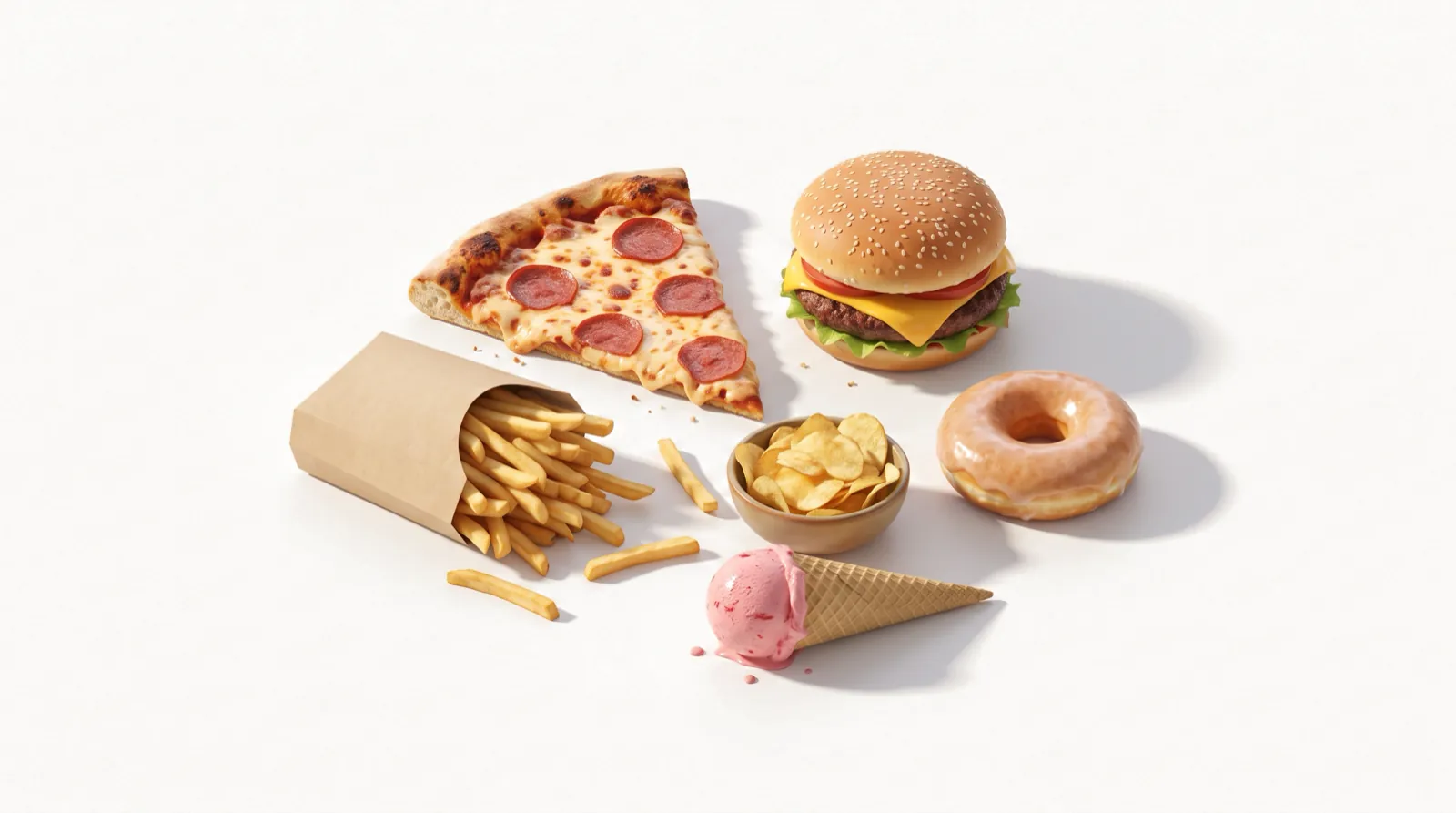
You crave junk food because most of it combines fat with sugar, salt or refined carbs in ways your brain rewards more than either alone, and 62% of foods in a major US food database meet that "hyper-palatable" definition; poor sleep, stress, skipped meals and eating those foods often make the pull stronger. In other words, it is not that you lack discipline. You are responding normally to foods built to be hard to stop eating, often while tired, stressed or underfed. Each of those factors can be changed.
Key takeaways
- Researchers at the University of Kansas defined hyper-palatable foods by three nutrient combinations (fat + sodium, fat + sugar, carbs + sodium) and found 62% of 7,757 US foods qualified.
- Brain-imaging work shows fat and carbohydrate together are valued more than equally liked foods with mainly fat or mainly carbohydrate.
- In an NIH inpatient trial, people ate about 500 kcal a day more on an ultra-processed diet than on an unprocessed one with matched nutrients on offer.
- In a two-year study of 367 adults, eating craved foods less often was linked to fewer cravings for them; eating smaller amounts was not.
- Sleep loss and stress both shift preferences toward high-calorie and sweet foods.
Junk food is built around nutrient combinations
Few whole foods are high in both fat and sugar. Nuts are fatty but not sweet; fruit is sweet but not fatty. Many processed snacks and fast foods combine them deliberately, and that combination is what makes them stand out. In a 2019 study in Obesity, Tera Fazzino and colleagues turned vague terms like "junk food" into numbers. They found the hyper-palatable foods described in the research literature fell into three clusters:
| Hyper-palatable cluster | Definition used in the study | Typical examples |
|---|---|---|
| Fat + sodium | More than 25% of calories from fat and at least 0.30% sodium by weight | Potato chips, pizza, bacon, cheesy snacks |
| Fat + simple sugars | More than 20% of calories from fat and more than 20% from sugar | Cookies, ice cream, chocolate bars, pastries |
| Carbohydrate + sodium | More than 40% of calories from carbs and at least 0.20% sodium by weight | Pretzels, crackers, some breakfast cereals, white bread |
When the team applied these thresholds to the USDA's Food and Nutrient Database for Dietary Studies, 4,795 of 7,757 foods (62%) met at least one. That included some products labeled reduced-fat or low-fat, and vegetables cooked in cream or butter sauces. The examples column above is ours, for orientation; check an actual label if you want to know whether a specific product qualifies.
Why would the combination matter? A brain-imaging study led by Yale researchers asked people to bid money on snacks while in a scanner. They were willing to pay more for foods combining fat and carbohydrate than for foods that were equally familiar, equally liked and equally caloric but mostly fat or mostly carbohydrate, and reward-related brain regions responded more strongly. People were also less accurate at judging the energy density of carbohydrate and combined foods than of fatty foods, so the foods you value most may be the ones you misjudge most.
Ultra-processed food makes it easy to eat more than you meant to
The best controlled evidence comes from a 2019 NIH trial by Kevin Hall. Twenty adults lived in a research unit for four weeks: two weeks on an ultra-processed diet and two weeks on an unprocessed diet, in random order. Meals offered the same calories, sugar, fat, fiber, sodium and protein, and people could eat as much or as little as they liked. On the ultra-processed diet they ate about 508 kcal a day more and gained 0.9 kg; on the unprocessed diet they lost 0.9 kg. It was a small, short study in a controlled setting, but it showed the effect is not only about nutrients; something about the form of the food led people to eat more.
For craving purposes, the important point is that these foods are easy to eat quickly and rarely leave you full for long, so the next craving arrives sooner.
Five things that make junk food cravings stronger
1. You are short on sleep
A UC Berkeley study in Nature Communications scanned people when rested and again when sleep-deprived. Sleep deprivation reduced activity in frontal brain areas involved in evaluating food and increased activity in the amygdala, and people wanted high-calorie foods more. The worse they rated their sleep loss, the bigger the shift. Most people do not pull all-nighters, but if your cravings are worse on tired days, this is a likely reason.
2. You are stressed
In a laboratory study of 59 women, those whose cortisol rose most in response to a stressful task ate more calories afterwards than low responders, and high responders ate more sweet food across both test days. Rising negative mood was also linked to eating more. Stress does not affect everyone the same way, which is why some people lose their appetite under pressure and others head for the cookie jar.
3. You skip meals
Arriving at the afternoon very hungry makes the most calorie-dense option look best. In a small crossover pilot of 20 young women who usually skipped breakfast, eating a 350 kcal breakfast for six days reduced post-meal cravings for both sweet and savory foods compared with continuing to skip. A higher-protein version (35 g) tended to work a little better for savory cravings, though that difference was not statistically significant.
4. You eat those foods often
This one surprises people. In the POUNDS Lost study, 367 adults on weight-loss diets were followed for two years. When people ate their craved foods less often, their cravings for those foods dropped. Cutting the amount they ate each time did not show the same link. The authors see this as support for a conditioning model: the more often a food is paired with eating, the stronger the craving habit. It is an observational finding within a trial, so it shows an association rather than proof.
5. Your cues are everywhere
Vending machines, delivery apps, a snack drawer at work and food ads all act as reminders. Cravings that show up at the same time and place every day are usually cue-driven. Keeping a short log of when they hit is the fastest way to find yours; our guide to tracking food cravings and learning your triggers shows how.
Track calories & nutrients fast


What to do when you always crave junk food
You do not need to give up every snack you like. The aim is to stop the cravings from running the show.
- Eat proper meals first. Build meals around a protein source and some fiber so you are not ravenous at 4 pm. Our list of foods that reduce cravings and keep you full has specific options with numbers.
- Eat craved foods less often, not just in tiny portions. Based on the POUNDS Lost finding, having your favorite chocolate twice a week in a normal portion may weaken the habit more than a small square every day.
- Swap the combination, not the whole food. If you want something sweet, fruit with Greek yogurt keeps the sweetness without the fat-plus-sugar pairing. If you want salty and crunchy, air-popped popcorn is lower in fat than chips.
- Make junk food less convenient. Store it out of sight, buy single portions, or keep it out of the house and go out for it when you really want it.
- Treat sleep and stress as part of the fix. If cravings cluster on short-sleep or high-stress days, address those first.
- Read the label. Check the calories from fat and sugar and the sodium line. If a snack fits one of the three clusters above, expect it to be harder to stop eating, and portion it out before you start.
For a ranked look at what the research supports, see our science-backed ways to reduce food cravings, and the main food cravings and food noise guide for the bigger picture.
How to spot junk-food patterns in your own meals
Manually, you can do this with labels and a notebook: for a week, write down each meal and snack, tick whether it fits a fat + sugar, fat + salt or carb + salt pattern, and note when cravings hit afterwards. It takes a few minutes a day, and you will probably notice which meals leave you looking for a snack an hour later.
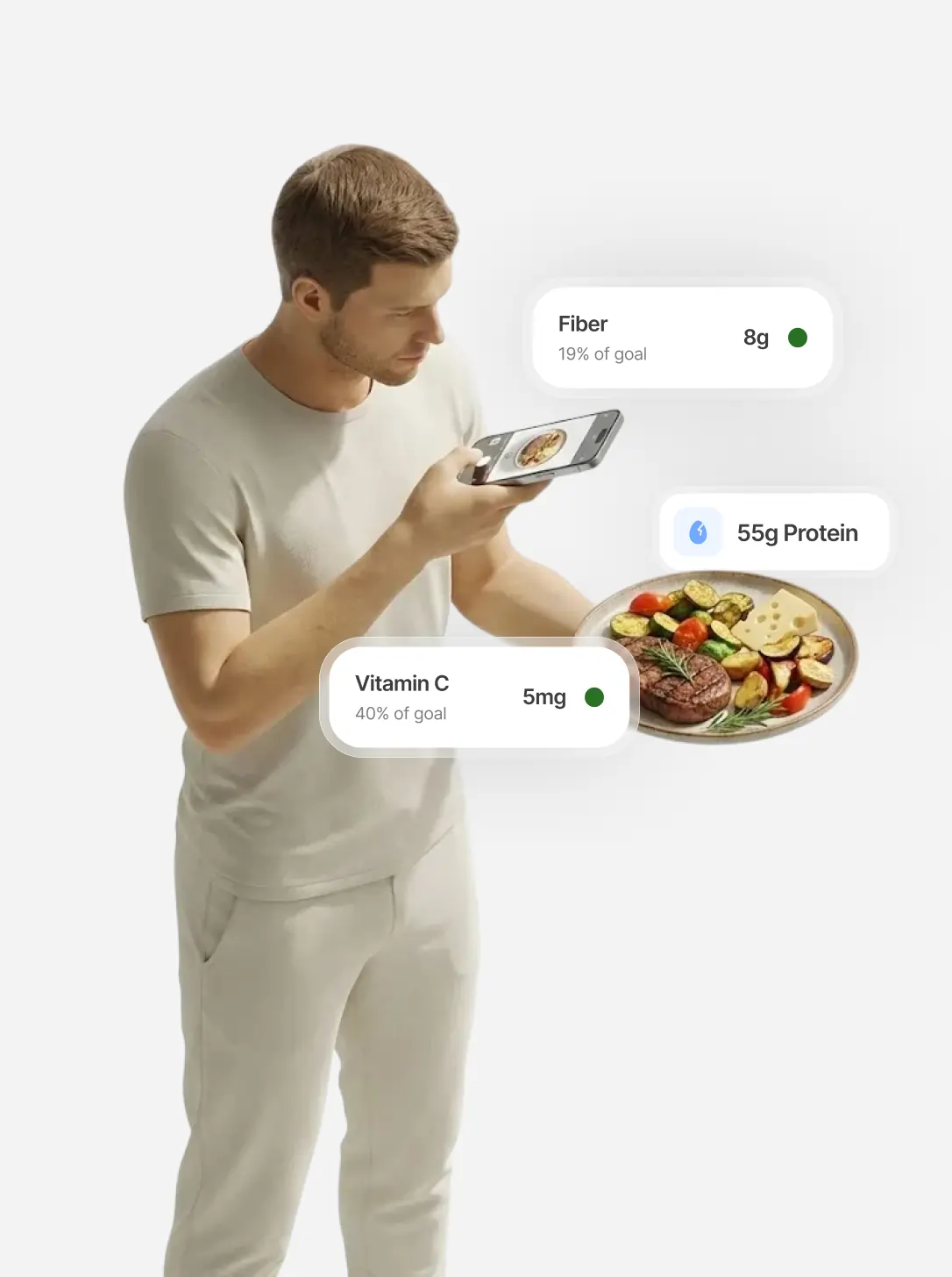
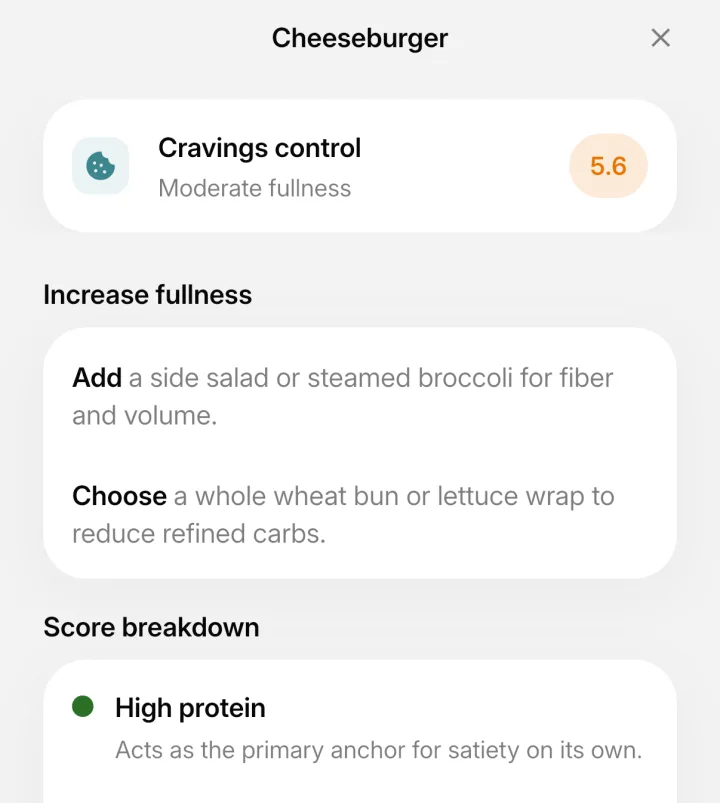
If you would rather not do the label maths, IntakeAI does much of it for you. It is a nutrition app for iPhone and Android that estimates calories, macros and 50+ nutrients, including total and added sugars and sodium, from a meal photo, barcode, nutrition label or text description. Each meal gets a "Cravings control" score from 0 to 10. One of its factors flags hyper-palatable combinations of fat with sugar, or fat or carbs with salt; others cover protein, fiber, calorie density and processing level. The score is an estimate to help you compare meals, not proof a meal will or won't trigger a craving, and photo estimates can be off on portions or cooking oil, so adjust the result when needed.
Frequently asked questions
Why do I crave junk food so much?
Most junk food combines fat with sugar, or fat or refined carbs with salt, and research suggests the brain rewards these combinations more than foods high in only one. Short sleep, stress, skipped meals, frequent exposure and food cues make cravings stronger.
Why do I crave junk food when I'm tired?
Brain-imaging research found that after sleep deprivation, activity drops in frontal areas that evaluate food and rises in the amygdala, and people want high-calorie foods more. Getting enough sleep is one of the simplest ways to reduce junk food cravings.
Does eating junk food make you crave it more?
There is evidence it can. In a two-year weight-loss study of 367 adults, eating craved foods less often was linked to fewer cravings for those foods, while eating smaller amounts was not. Ultra-processed diets also led people to eat about 500 kcal a day more in an NIH trial.
How do I stop craving junk food?
Eat regular meals with protein and fiber, eat craved foods less often rather than in tiny daily portions, keep them less convenient, and look after sleep and stress. Swapping the combination, such as fruit with Greek yogurt instead of cookies, can help too.
Related guides

How to Reduce Food Cravings and Food Noise
The main guide to why cravings happen and how your meals can quiet them.
READ MORE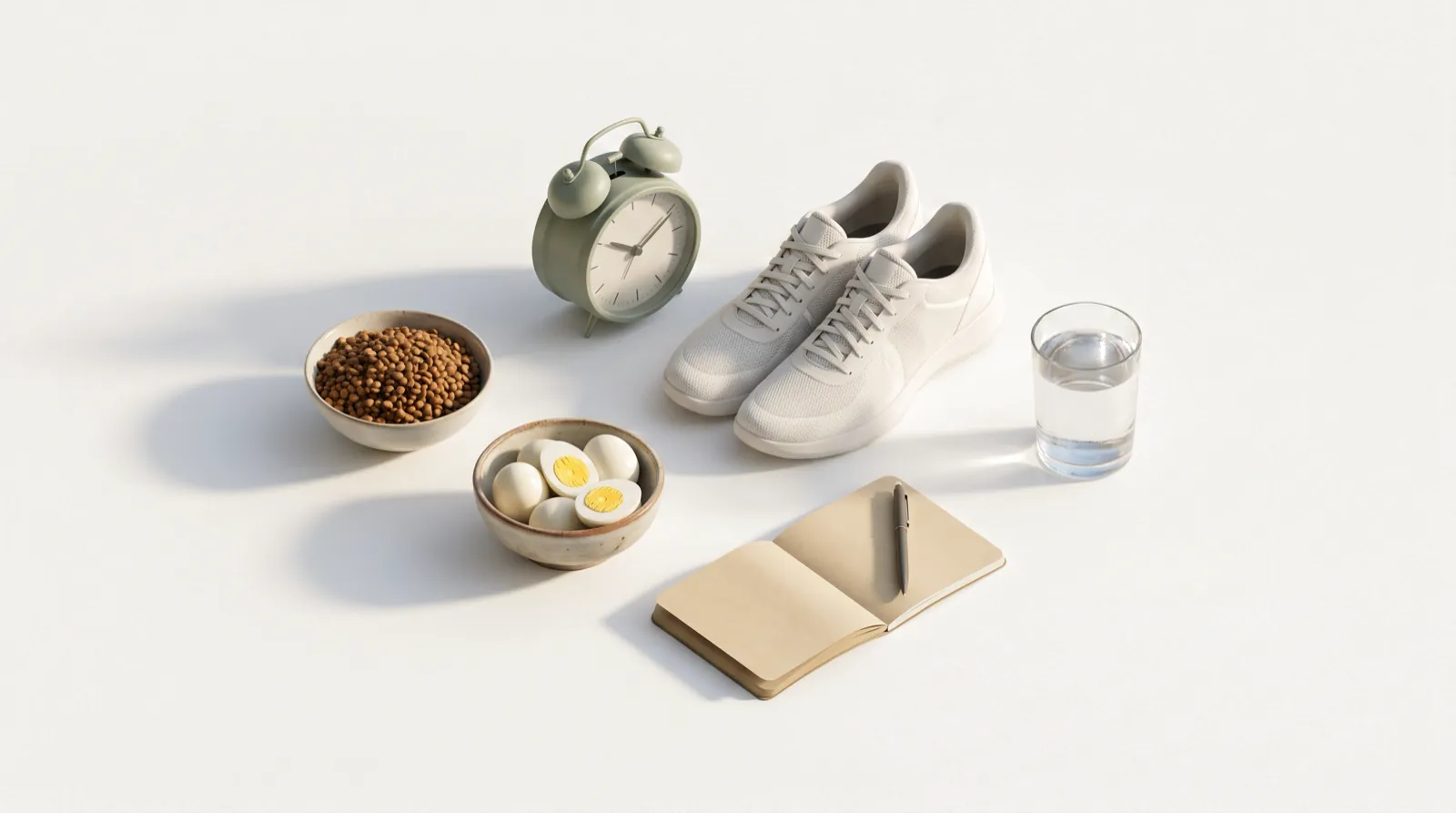
Science-Backed Ways to Reduce Food Cravings
Nine strategies ranked by the strength of the research behind them.
READ MORE
Foods That Reduce Cravings and Keep You Full Longer
Protein, fiber and calories per serving for foods that keep you satisfied.
READ MORESpot the meals that leave you craving more
IntakeAI estimates calories, macros, sugars, sodium and 50+ nutrients from a photo, barcode or description, and gives each meal a Cravings control score to help you compare.
Sources
- Fazzino TL, Rohde K, Sullivan DK (2019). Hyper-palatable foods: development of a quantitative definition and application to the US food system database. Obesity, 27(11):1761–8. PubMed
- DiFeliceantonio AG et al. (2018). Supra-additive effects of combining fat and carbohydrate on food reward. Cell Metabolism, 28(1):33–44. PubMed
- Hall KD et al. (2019). Ultra-processed diets cause excess calorie intake and weight gain: an inpatient randomized controlled trial of ad libitum food intake. Cell Metabolism, 30(1):67–77. PubMed
- Greer SM, Goldstein AN, Walker MP (2013). The impact of sleep deprivation on food desire in the human brain. Nature Communications, 4:2259. PubMed
- Epel E et al. (2001). Stress may add bite to appetite in women: a laboratory study of stress-induced cortisol and eating behavior. Psychoneuroendocrinology, 26(1):37–49. PubMed
- Hoertel HA, Will MJ, Leidy HJ (2014). A randomized crossover, pilot study examining the effects of a normal protein vs. high protein breakfast on food cravings and reward signals in overweight/obese "breakfast skipping", late-adolescent girls. Nutrition Journal, 13:80. PubMed
- Apolzan JW et al. (2017). Frequency of consuming foods predicts changes in cravings for those foods during weight loss: the POUNDS Lost study. Obesity, 25(8):1343–8. PubMed
This article is for general education and is not medical advice. If you have a medical condition, an eating disorder, are pregnant, or take medication, speak to a doctor or registered dietitian before changing your diet. IntakeAI's nutrition figures and scores are estimates to guide your choices.