How to Lose Weight Without Feeling Hungry All the Time
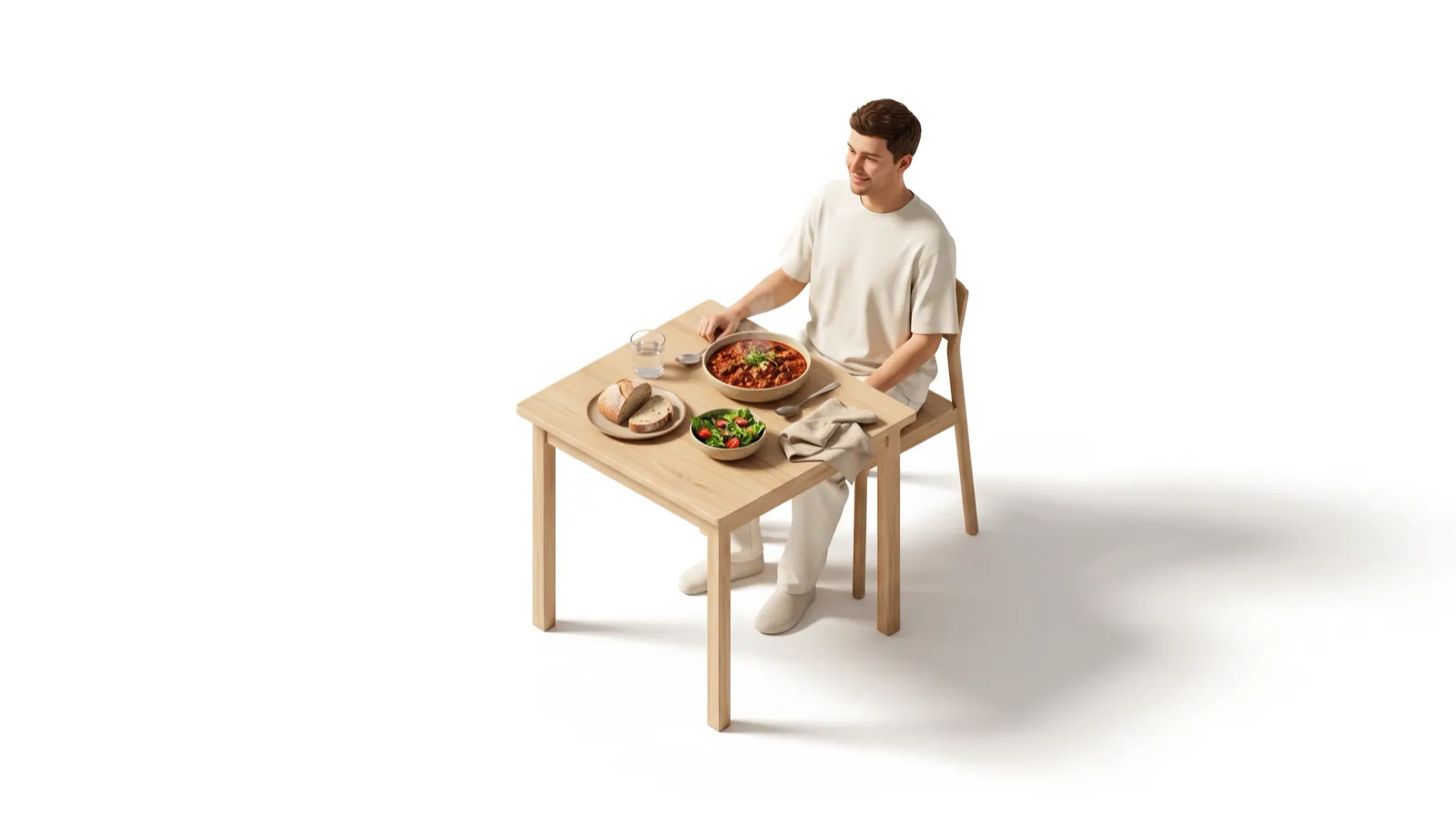
Why Most Diets Make You Hungry (And How to Fix It)
The reason most diets fail is not that people lack discipline — it is that the diet makes them constantly hungry. When you slash calories without paying attention to what those calories are made of, your body fights back with hunger hormones, cravings, and a metabolic slowdown that makes every day feel like a battle.
Two meals can contain the exact same number of calories and produce completely different hunger responses. A 500-calorie plate of chicken breast, roasted vegetables, and quinoa is a large, protein- and fiber-rich meal. A 500-calorie croissant with jam is a few bites of mostly refined flour, butter and sugar — and in the classic satiety index study, croissants were the least filling of 38 foods tested. Same calories. Very different fullness. The difference is satiety per calorie.
There is a better way. By choosing foods that are high in satiety and low in calorie density, you can maintain a calorie deficit without the gnawing hunger that leads to bingeing, quitting, and regaining every pound you lost.
You Can Do This Manually — But Data Makes It Effortless
The challenge? Most people do not know which of their meals are actually satiating. They follow meal plans built on theory, not their own data. You can keep a food diary, look up every ingredient, and try to estimate how full each meal will keep you — or you can let IntakeAI do it automatically.
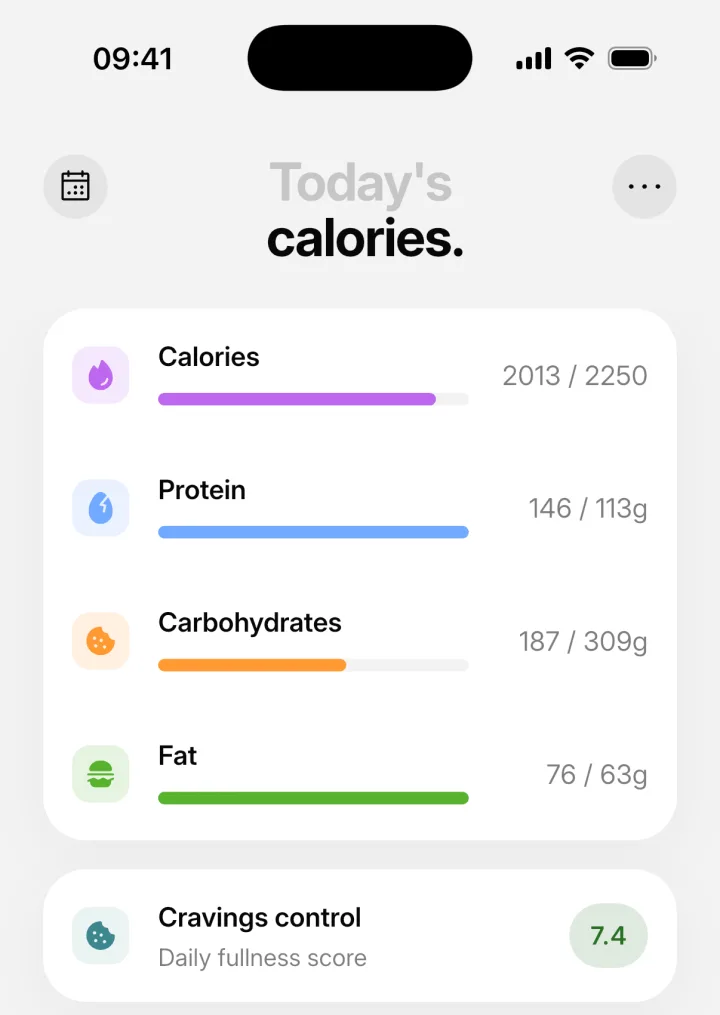
Every meal you log gets a Cravings control score from 0 to 10 — a formula built from protein, fiber, processing level, calorie density, hyper-palatability, and satiety nutrients. A score of 7 or higher is labelled "likely to keep you fuller"; a score below 4 is labelled "likely to trigger cravings".
A useful target for weight loss is a daily fullness score of 7 or above — meals in that range are the high-protein, high-fiber, less-processed meals that research links with greater fullness and lower spontaneous calorie intake. You don't need more willpower. You need data about what keeps you full.
Here is the science behind hunger-free weight loss, and how to put it into practice.
The Science of Satiety: Why Some Foods Keep You Full and Others Don't
When you create a calorie deficit, two things happen in your body: ghrelin (the "hunger hormone") increases and leptin (the "fullness hormone") decreases. This hormonal double-punch is why calorie restriction feels so difficult. But here is the counter-intuitive insight: the intensity of this response depends heavily on what you eat, not just how much you eat.
Protein leverage
Your body has a "protein thermostat." It continues to drive hunger until you have consumed enough protein. This is the protein leverage hypothesis — low-protein diets lead to overeating because your body keeps demanding food until the protein target is hit, even if calorie intake has already exceeded requirements. In a study of 19 adults, raising protein from 15% to 30% of calories reduced spontaneous intake by about 441 calories per day, without any instruction to eat less.
Fiber and volume
Fiber-rich foods expand in your stomach, activate stretch receptors, and slow gastric emptying. They also feed gut bacteria that produce short-chain fatty acids, which suppress appetite. A 300-calorie bowl of lentil soup is far more filling than a 300-calorie energy bar. Energy density — calories per gram — is the key metric. Low-energy-dense foods give you more physical food for fewer calories, triggering stronger fullness signals.
Ultra-processing and the dopamine trap
Ultra-processed foods bypass your satiety system. They are engineered to be consumed quickly and trigger disproportionate dopamine response. A randomized inpatient trial at the National Institutes of Health found that 20 adults ate about 500 extra calories per day on an ultra-processed diet versus an unprocessed one — even though the meals offered were matched for calories, sugar, fat, fiber and macros.
The weekend binge cycle
One of the most common patterns is the restrict-and-binge cycle. You eat "perfectly" Monday through Thursday, then undo all progress with weekend overeating. This is not a discipline failure — it is a predictable consequence of excessive restriction. By Friday, accumulated hunger, fatigue, and a less structured weekend make overeating far more likely. The fix is a moderate, sustainable deficit with high-satiety meals — not extreme restriction that breaks down every Friday.
Track calories & nutrients fast


The Manual Way vs. The App Way
The manual way
- Calculate your TDEE and set a deficit
- Look up calories and macros for every ingredient
- Weigh food on a kitchen scale
- Log everything in a spreadsheet or notebook
- Try to estimate satiety and processing level by feel
This is accurate but time-consuming. In one 24-week weight-loss study, participants spent about 23 minutes a day logging food in the first month — and the people who lost the most weight were the ones who logged most often, not the ones who spent the most time.
Or click one button in IntakeAI
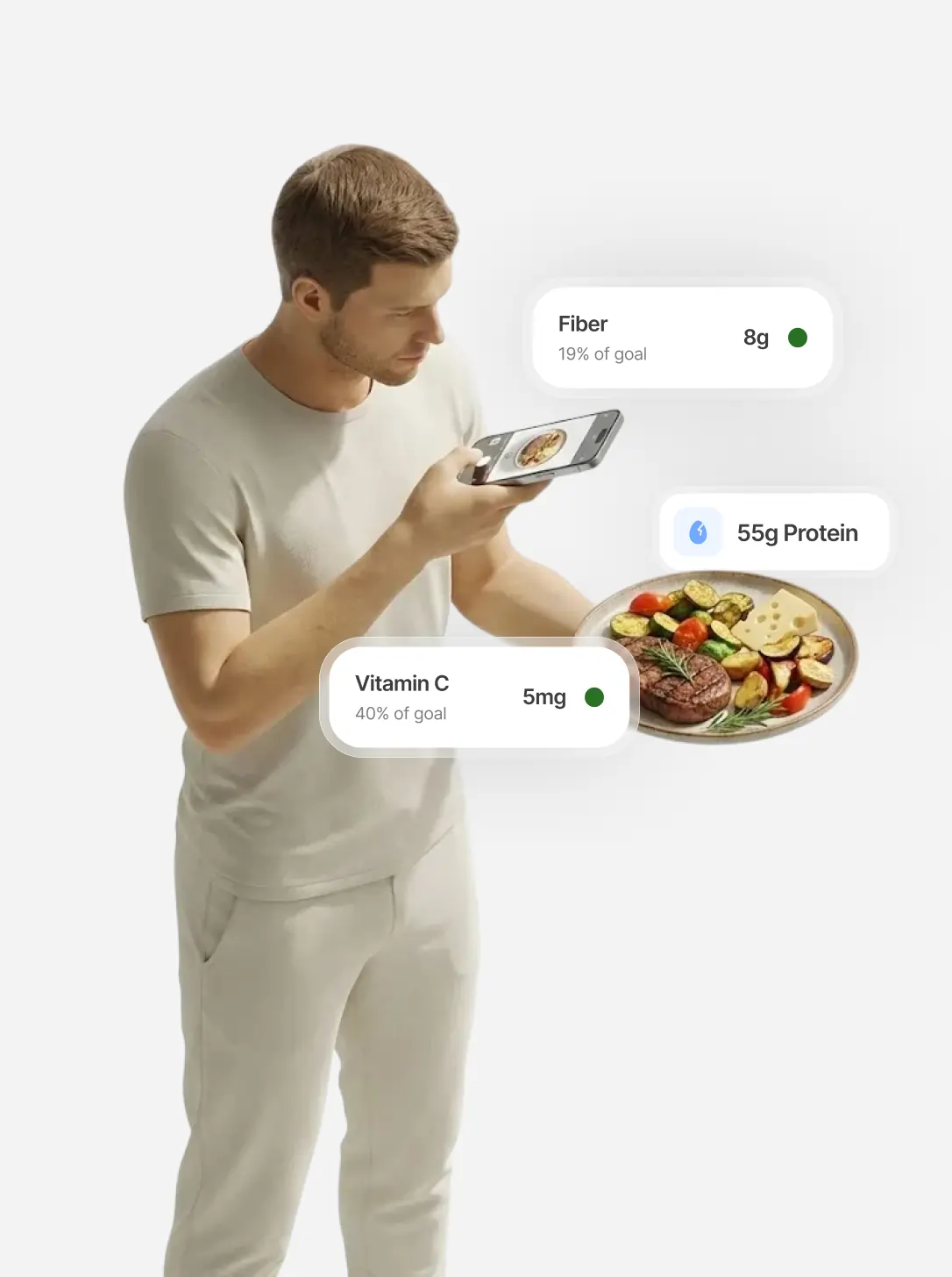
- Snap a photo of your meal — AI identifies the food and pulls full nutritional data instantly
- Your Cravings control score (0–10) estimates whether the meal is likely to keep you full or trigger cravings
- Track via photo, barcode, nutrition label, or text — whatever is fastest
- See patterns over days and weeks without any manual work
The best diet is the one you actually follow. The more effort each log takes, the less likely you are to keep doing it. IntakeAI keeps each log to a few seconds so the habit is easy to keep.
Your Complete Weight Loss Guide
This pillar guide covers the fundamentals. Explore the specific topics below to build a complete, hunger-free weight loss strategy.

How to Lose Weight With Fewer Cravings
The connection between craving reduction and fat loss is direct. Learn the specific meal strategies that suppress hunger hormones while maintaining a sustainable calorie deficit.
READ MORE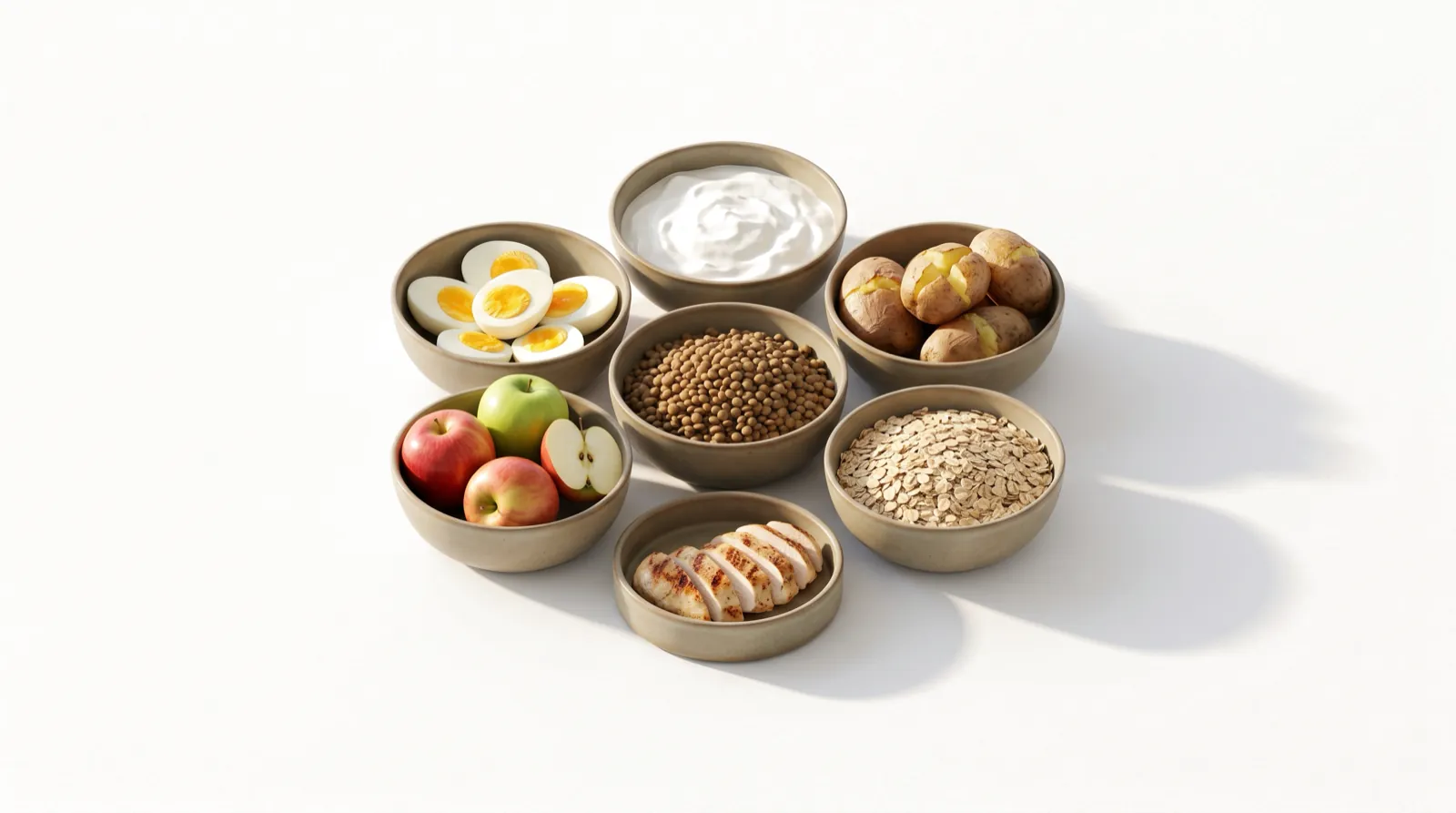
Best Foods to Eat in a Calorie Deficit (That Actually Keep You Full)
Not all "diet foods" are created equal. Discover the specific high-satiety, low-calorie-density foods that research shows keep you fullest for longest — ranked by satiety per calorie.
READ MORE
How to Stay in a Calorie Deficit Without Bingeing on Weekends
Weekend binges erase weekday progress for millions of dieters. Learn the science behind the restrict-binge cycle and the specific deficit targets that prevent it.
READ MORE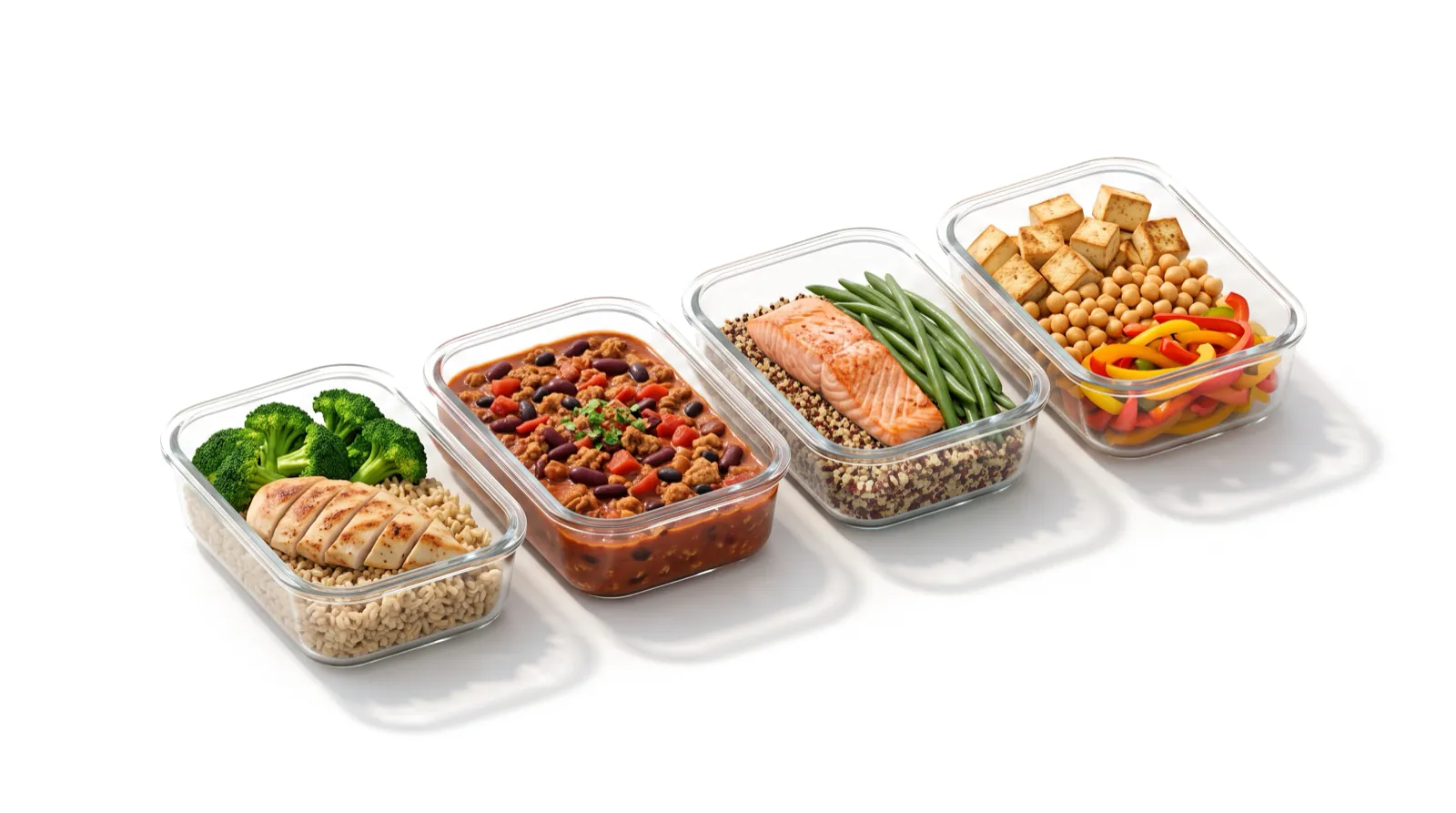
High Protein and High Fiber Meals for Fat Loss
Practical, recipe-level guidance for building meals that hit both protein and fiber targets simultaneously — the two most important levers for fat loss without hunger.
READ MORE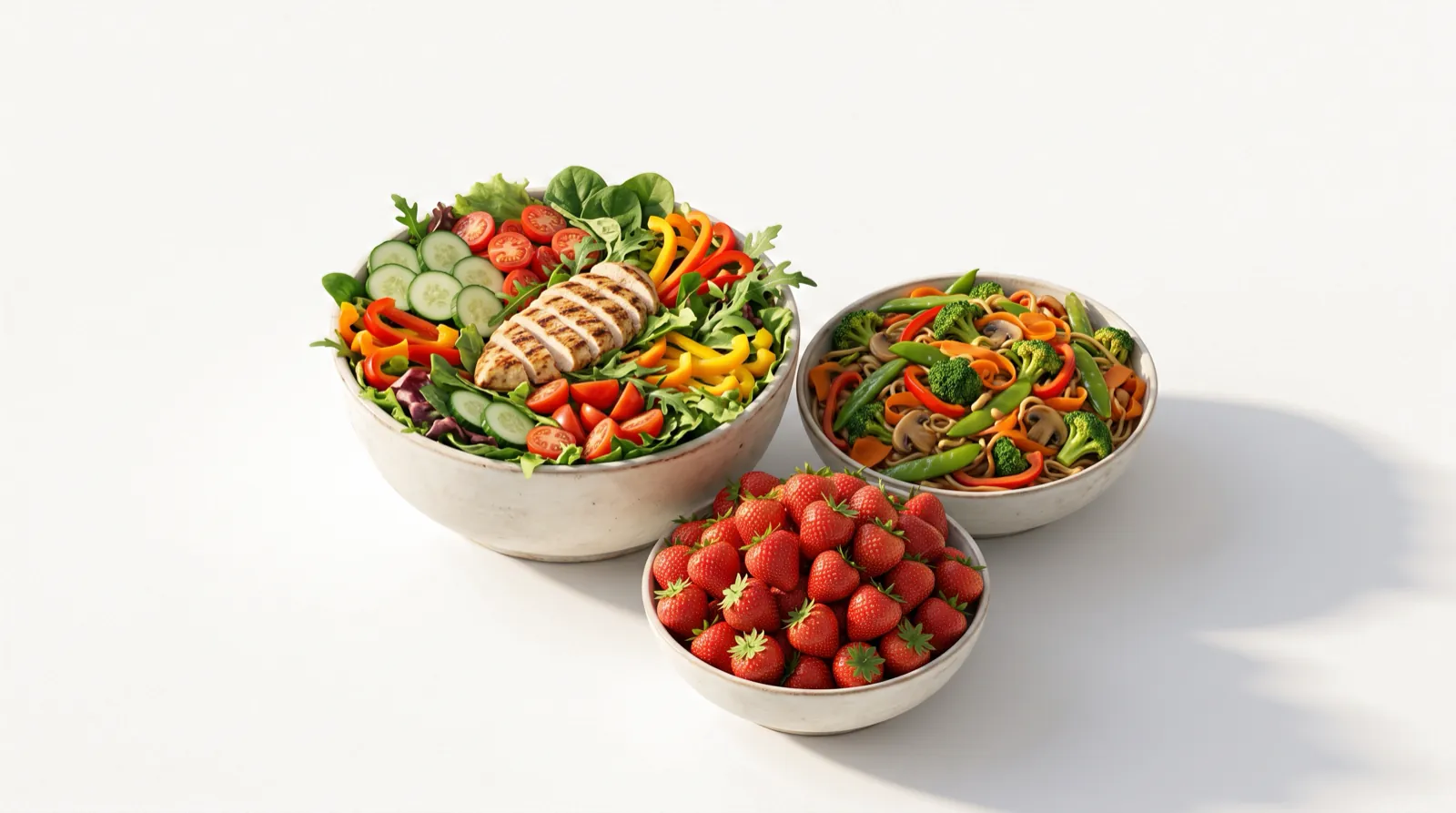
Low Calorie High Volume Meals That Keep You Satisfied
Volume eating is one of the most effective strategies for dieting without deprivation. Explore meals that fill your plate and your stomach while keeping calories low.
READ MORE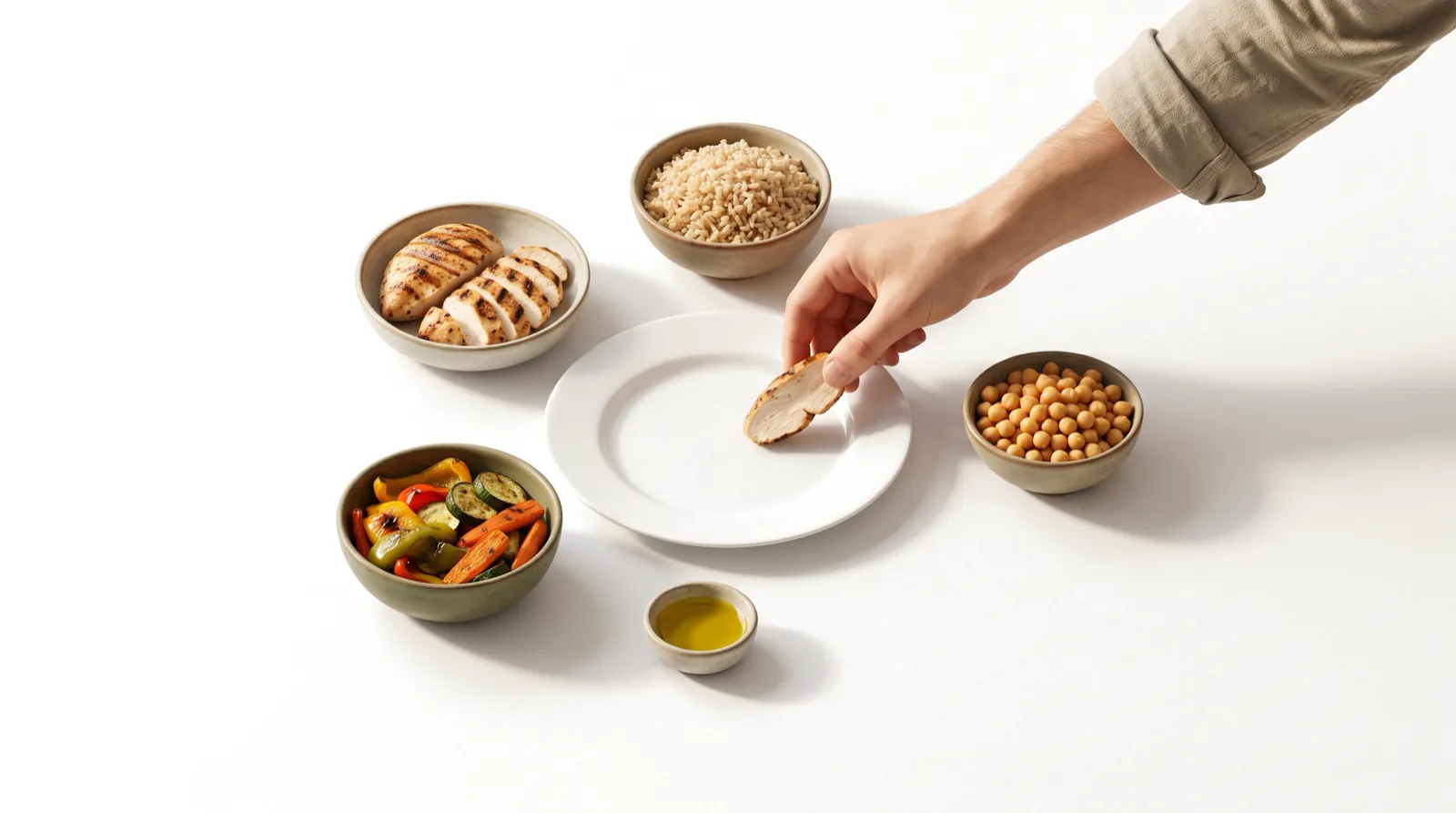
How to Build a Weight Loss Meal That Controls Cravings
A step-by-step framework for constructing any meal — at home or eating out — that maximises satiety and minimises the craving response in the hours that follow.
READ MORE
Why Diets Fail Because of Cravings (Not a Lack of Discipline)
The diet industry blames you for failing. The science says the diet itself was designed to fail. Learn why craving management is more important than calorie counting.
READ MORE
How to Adjust Calories When You Plateau
Weight loss plateaus are inevitable — but panicking and slashing calories makes things worse. Learn the data-driven approach to identifying real plateaus and adjusting sustainably.
READ MOREFrequently asked questions
Why am I always hungry when I try to lose weight?
Some extra hunger is a normal response to eating less: after weight loss, levels of the hunger hormone ghrelin tend to rise. Hunger gets much worse when meals are low in protein and fiber, high in calorie-dense processed foods, or when the deficit is very large. Building meals around protein, vegetables, legumes and whole foods, and keeping the deficit moderate, usually makes hunger manageable.
Can you stay in a calorie deficit without feeling hungry?
Mostly, yes. Choose low-energy-density foods that give you a lot of food for relatively few calories, eat enough protein, and avoid aggressive deficits. Meals built around lean protein, vegetables, fruit, legumes and whole grains tend to keep people fuller for longer. IntakeAI's Cravings control score estimates which of your meals are likely to be the most filling.
Why do I binge eat on weekends during a diet?
Weekend overeating is often a rebound from strict weekday restriction combined with more free time, social events and alcohol. A moderate deficit spread across the whole week, filling meals, and planning for weekend meals usually works better than eating very little Monday to Friday. If binges feel out of control or happen often, speak to a doctor, as this can be a sign of binge eating disorder.
Lose Weight Without the Hunger.
Download IntakeAI and see your Cravings control score for every meal. Find the foods that keep you full, stay in your deficit, and stop the binge cycle — all with a single photo.
Sources
- Holt SH et al. (1995). A satiety index of common foods. European Journal of Clinical Nutrition, 49(9):675–90. PubMed
- Weigle DS et al. (2005). A high-protein diet induces sustained reductions in appetite, ad libitum caloric intake, and body weight. American Journal of Clinical Nutrition, 82(1):41–8. PubMed
- Hall KD et al. (2019). Ultra-processed diets cause excess calorie intake and weight gain. Cell Metabolism, 30(1):67–77. PubMed
- Harvey J et al. (2019). Log often, lose more: electronic dietary self-monitoring for weight loss. Obesity, 27(3):380–4. PubMed
This article is for general education and is not medical advice. If you have a medical condition, an eating disorder, are pregnant, or take medication, speak to a doctor or registered dietitian before changing your diet. IntakeAI's nutrition figures and scores are estimates to guide your choices.