Easiest Way to Track Calories, Macros and Nutrients (Without Logging Every Bite)

The Easiest Way to Track Calories Is to Stop Typing Them
The easiest way to track calories, macros, and nutrients is to take a photo of your food and let AI do the rest. No food scales. No database searching. No typing "medium banana" into a search bar and scrolling through 47 results.
That is the practical answer. But the more important question is: why is this such a hard problem in the first place?
Because traditional calorie tracking was designed for nutritionists with clipboards, not busy people trying to eat better. It demands precision, consistency, and time — three things that are in short supply for anyone with a job, a family, or a life. In one 24-week study, people spent about 23 minutes a day logging food in the first month — and about a third had stopped recording any time at all by month six.
The solution is not more willpower. It is less friction.
You Can Log Manually — But One Photo Is All It Takes
You can weigh every ingredient, search databases, and build spreadsheets. It works — until real life intervenes: you eat out, you forget your scale, you are too tired to log dinner. The friction wins.
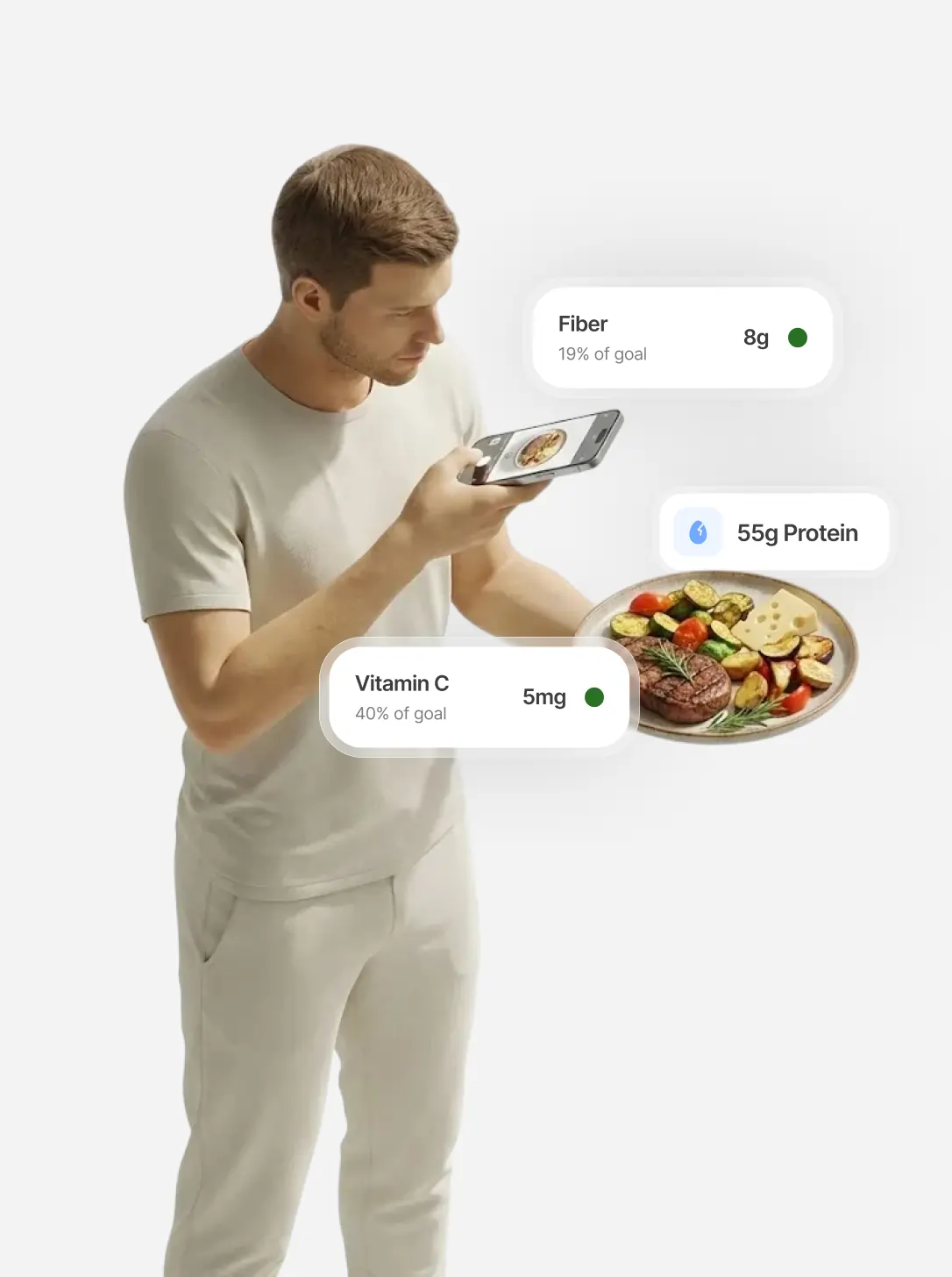
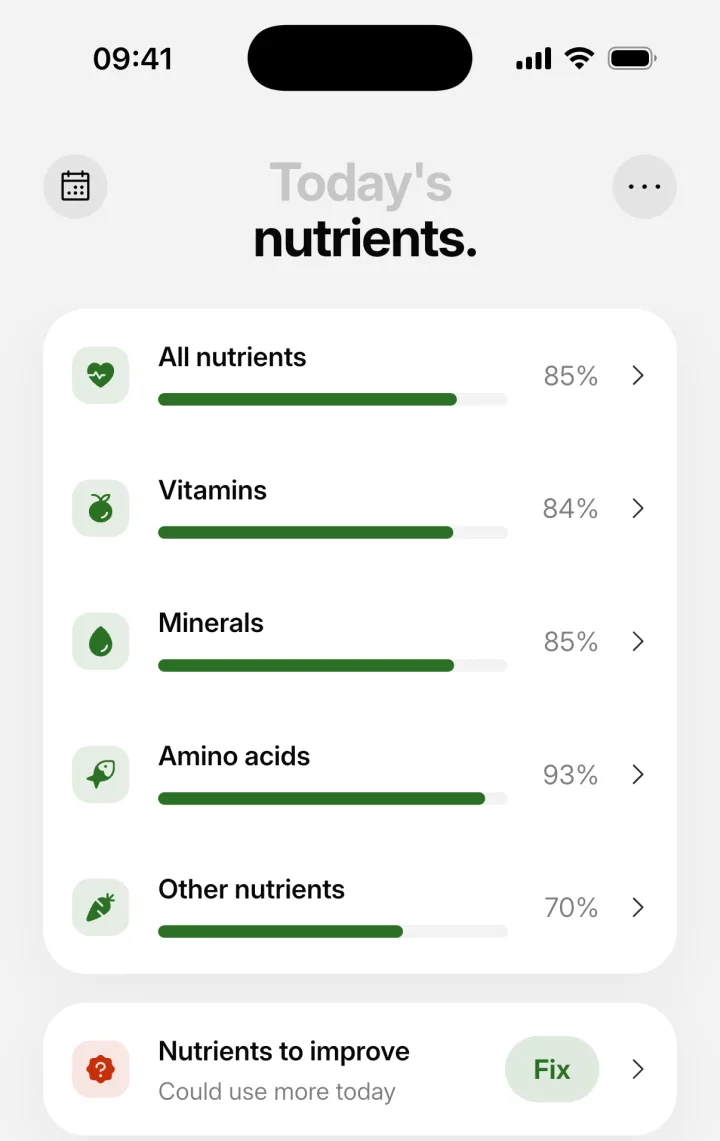
IntakeAI removes most of that friction. Take a photo of your meal and AI identifies the food, estimates full nutritional data — calories, protein, carbs, fat, fiber, and 50+ nutrients including 13 vitamins and the key minerals — and gives every meal a Cravings control score (0–10) so you are not just counting calories, you are understanding what your food actually does to your body.
Photo, barcode, nutrition label, or text description — whatever is fastest. Most meals take a few seconds to log. You don't need to be better at tracking. You need tracking that is better at being easy.
Here is the science behind why most tracking fails and what actually works long-term.
Why Tracking Fails — and the Science of What Works
The friction problem
Here is what traditional food logging actually requires: open the app, search for each ingredient individually, choose the right entry from hundreds of near-identical options, estimate or weigh the portion size, repeat for every component of a multi-ingredient meal, and do this three to five times per day, every day.
That effort adds up. In the "Log Often, Lose More" study, the participants who lost at least 10% of their weight were not the ones who spent the most minutes logging — they were the ones who logged in most often (about 2.7 times a day vs 1.7). Frequent, quick logging beats occasional, perfect logging.
The compliance gap
Nutrition science has a dirty secret: the most accurate tracking method is useless if nobody uses it for more than a week. A kitchen scale with gram-level entries is theoretically perfect. In practice, it adds minutes to every meal and creates a cognitive burden many people cannot sustain. The counter-intuitive insight: a slightly less precise method that you use consistently for months will usually beat a perfectly precise method that you abandon after a couple of weeks.
Tracking methods compared
There are four main ways to track what you eat, each with trade-offs:
- Manual database search: You search for each food, select the entry, input your portion. Accurate if done correctly, but slow, and it breaks down for home-cooked dishes.
- Barcode scanning: Fast and accurate for packaged foods. Does not work for fresh food, restaurant meals, or anything without a barcode — which is most of what healthy people eat.
- AI photo recognition: Take a photo of your plate. AI identifies the foods, estimates portions, and provides full nutritional data. The fastest method for whole meals, though portion estimates and hidden oils can be off, so it helps to check and edit portions.
- Text or voice logging: Describe your meal in natural language. Faster than database searching but slower than a photo. Useful as a complement.
The ideal approach combines them. Photo for whole meals. Barcode or nutrition-label scan for packaged items. Text for quick entries. IntakeAI supports all of these (it does not do voice logging) so you always have a fast option available.
Beyond calories: why micronutrients matter
Most tracking apps stop at calories and macros. That is like checking only the fuel gauge in your car and ignoring the oil, coolant, and tyre pressure. You can hit your calorie target and still feel terrible if your micronutrients are off.
Common symptoms of nutrient gaps include:
- Chronic fatigue — often linked to iron, B12, or vitamin D deficiency
- Brain fog — associated with low omega-3, magnesium, or B vitamins
- Persistent cravings — more often linked to low-protein, low-fiber meals than to a specific deficiency
- Poor sleep — connected to low magnesium, potassium, or vitamin D
- Weak immune function — linked to low zinc, vitamin C, or vitamin D
Symptoms like these have many causes, so see a doctor if they persist — a blood test is the only way to confirm a deficiency. What tracking can show is whether your diet is likely to be short. IntakeAI tracks these nutrients automatically. Over time, patterns emerge: maybe your iron is consistently low, or your fiber never reaches the recommended 25g. These invisible gaps become visible, and visible problems are solvable problems.
Track calories & nutrients fast


The Manual Way vs. The App Way
The manual way
- Search a database for every ingredient in your meal
- Estimate portion sizes (or weigh everything on a scale)
- Add up calories and macros manually or via spreadsheet
- Ignore micronutrients because tracking them manually is impossible
- Spend 15–25 minutes per day on food logging
- Quit after a few weeks because it feels like a part-time job
Or click one button in IntakeAI
- Take a photo, scan a barcode, or type a quick description
- AI identifies your food and estimates full nutritional data in seconds — edit portions if needed
- Calories, macros, fiber, and 50+ nutrients — all in one view
- Cravings control score estimates how filling the meal is likely to be
- "Fix your missing nutrients" suggests foods for the nutrients you are short on
Frequently asked questions
Can you track calories without weighing food?
Yes. Photo-based apps like IntakeAI estimate calories, macros and nutrients from a picture of your meal, and hand-portion methods work without any app at all. A food scale is still the most precise option, but a slightly less precise method you use every day is usually more useful than a perfect method you abandon. Check and edit portion sizes when a meal has hidden oils or sauces.
Why do most people quit calorie tracking?
Mostly because of time and effort. In one 24-week study, people spent about 23 minutes a day logging food in the first month. Searching databases, weighing food and logging mixed home-cooked meals is tedious, and perfectionism or guilt makes it worse. Faster logging methods — photo, barcode, saved meals — lower that cost, and research suggests logging often matters more than logging perfectly.
What is the fastest way to track macros?
For whole meals, the fastest method is usually taking a photo. Apps like IntakeAI identify the foods on your plate and estimate calories, protein, carbs, fat, fiber and 50+ vitamins, minerals and other nutrients in seconds. For packaged foods, barcode scanning is faster and more precise. Adding a short text note about oils or sauces improves photo estimates.
Your Complete Guide to Effortless Food Tracking
This guide covers the fundamentals of easy food tracking. Explore the specific topics below for detailed strategies on every tracking challenge.
Best Way to Track Calories Without Weighing Food
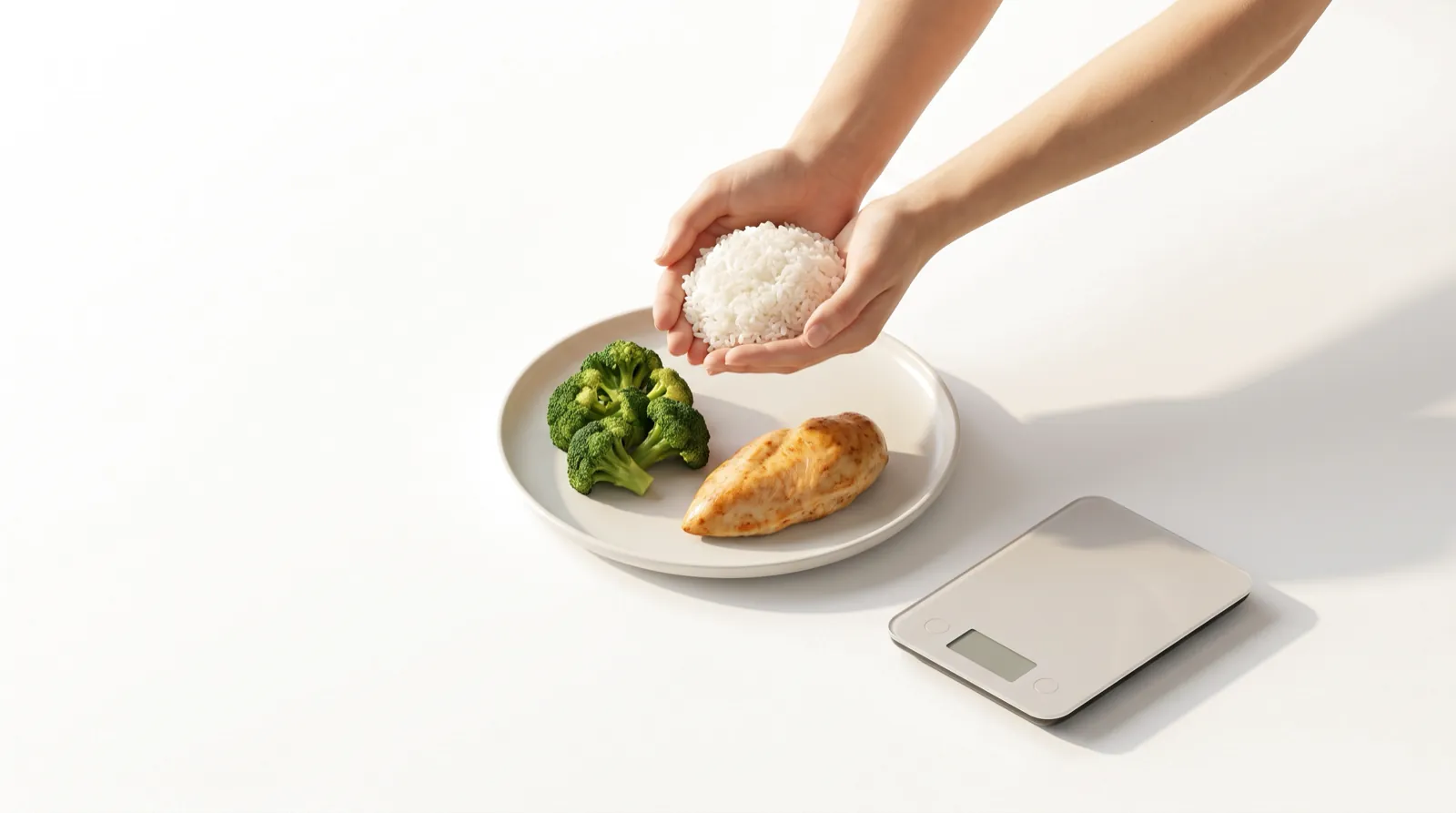
Food scales are accurate but impractical for most lifestyles. Learn the visual estimation techniques and AI-assisted methods that provide good-enough accuracy with zero equipment.
READ MORE
How to Track Calories When Eating Out
Restaurant meals are the biggest tracking blind spot for most people. Discover practical strategies for estimating portions, identifying hidden calories, and logging meals when you did not cook them.
READ MORE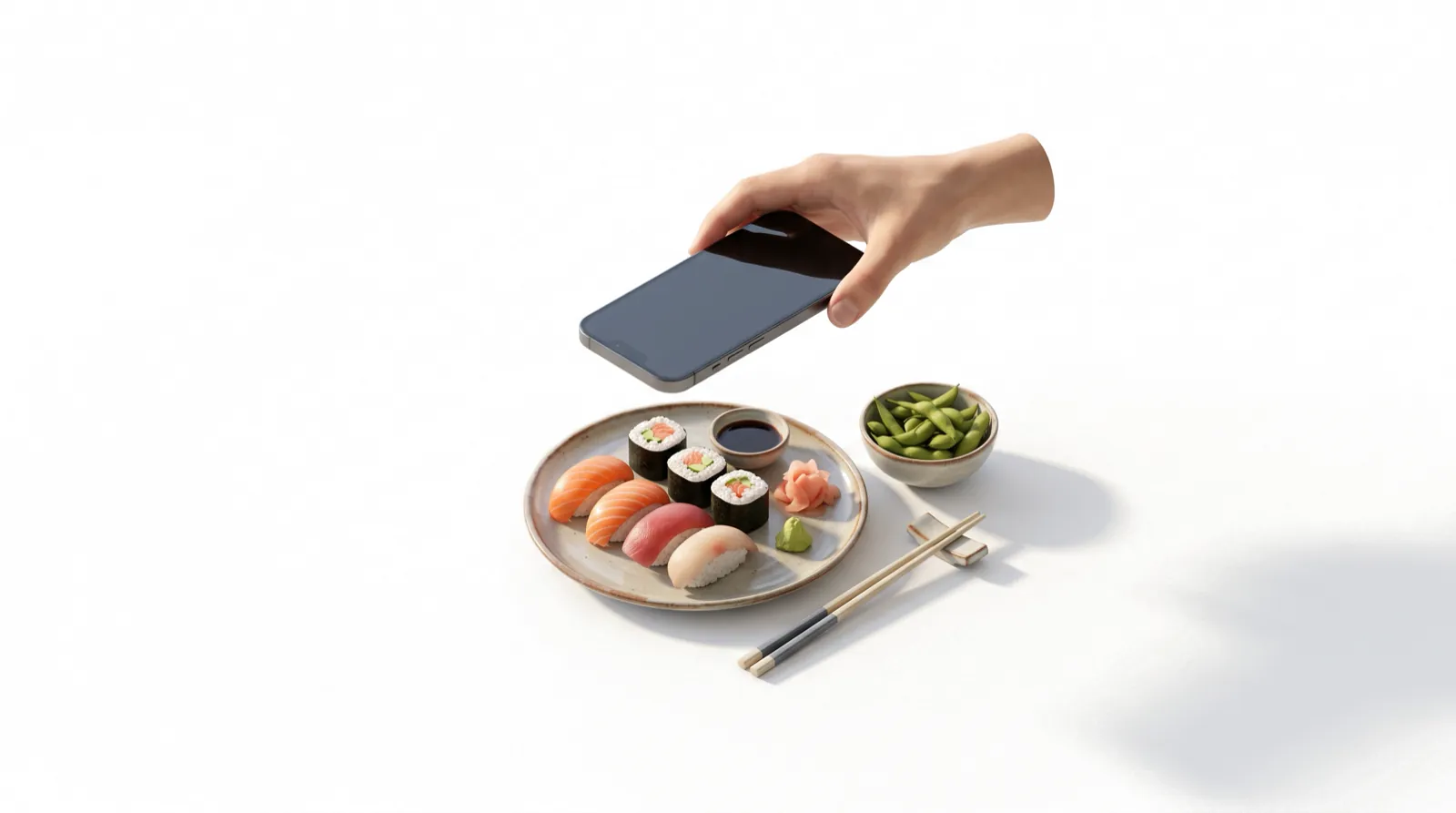
Track Calories From a Photo: How AI Food Tracking Works
A deep dive into the technology behind photo-based calorie tracking — how computer vision identifies food, estimates portions, and delivers full nutritional data in seconds.
READ MORE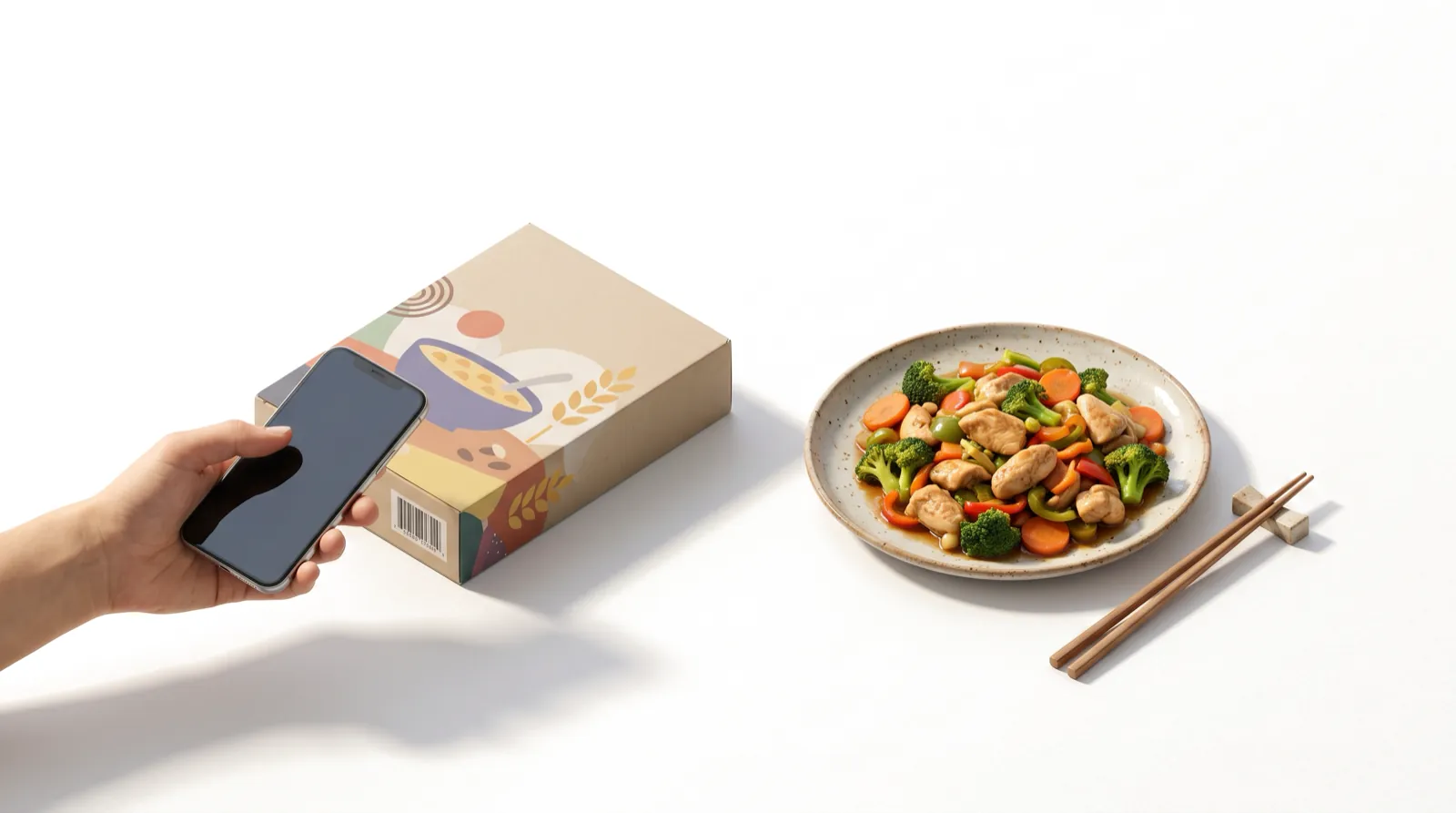
Barcode Scanner vs Photo Tracking: Which Is Better?
Barcodes are great for packaged food. Photos work for everything. Understand when to use each method and why the best tracking apps support both.
READ MORE
How to Track Calories Without Logging Everything Manually
Manual logging is the number one reason people quit tracking. Explore the automated alternatives — photo AI, barcode scanning, text input — that reduce logging time from minutes to seconds.
READ MORE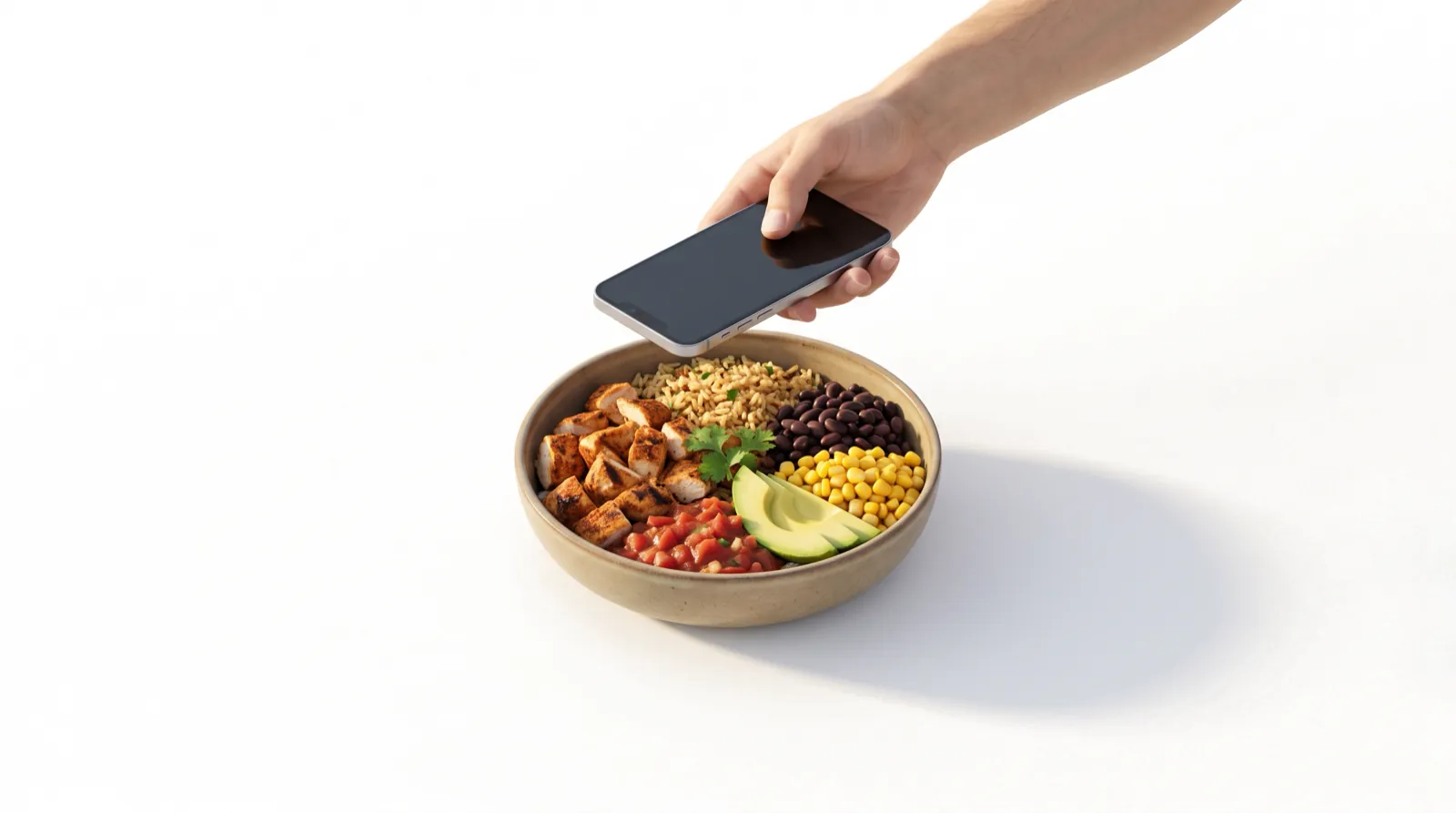
Track Macros by Taking a Picture of Your Food
Macro tracking traditionally requires weighing every ingredient. Learn how photo-based macro tracking achieves practical accuracy without any equipment — and why consistency beats precision.
READ MORE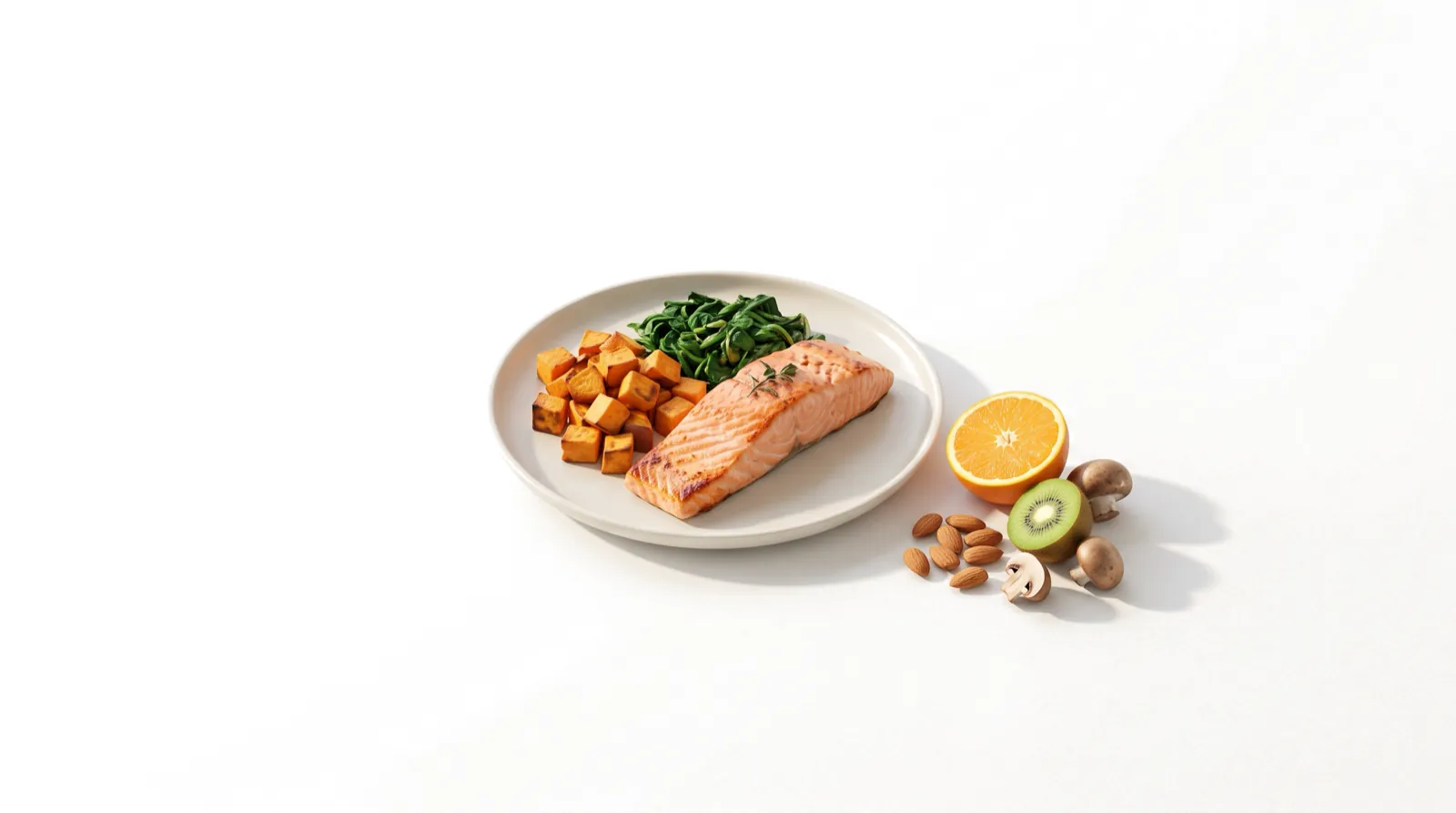
Calorie Counter That Tracks Vitamins and Minerals Too
Calories and macros tell half the story. Discover why tracking micronutrients reveals hidden energy drains, craving triggers, and health risks that calorie counting alone misses entirely.
READ MORE
Why Most People Quit Calorie Tracking (and How to Make It Stick)
The 80% dropout rate is not a motivation problem — it is a design problem. Learn the behavioural science behind tracking abandonment and the specific friction-reduction strategies that make tracking sustainable.
READ MORETrack Everything. Type Nothing.
Download IntakeAI and start tracking calories, macros, and nutrients with a single photo. Barcode and text input too. Full nutritional data plus a Cravings control score for every meal.
Sources
- Harvey J et al. (2019). Log often, lose more: electronic dietary self-monitoring for weight loss. Obesity, 27(3):380–4. PubMed
- U.S. Department of Agriculture, Agricultural Research Service. FoodData Central.
This article is for general education and is not medical advice. If you have a medical condition, an eating disorder, are pregnant, or take medication, speak to a doctor or registered dietitian before changing your diet. IntakeAI's nutrition figures and scores are estimates to guide your choices.